
 EN
EN



The Burn That Taught Me Respect for Direct Moxa
Years ago, I thought direct moxibustion meant just putting a piece of moxa on the skin and lighting it. I was wrong. I grabbed some cheap loose moxa, rolled a clumsy cone, placed it on my knee, and lit it. The heat was so sharp and sudden that I flinched, knocking the burning cone onto my jeans, leaving a small burn on my skin and a hole in my pants. The area hurt for days, and I felt no therapeutic warmth. That failure taught me an important lesson. Direct moxibustion is a precise art. You need good materials, careful technique, and respect for the fire. After learning from a TCM practitioner, I now use direct moxa safely and effectively. Let me share the correct method.
Choosing the Right Moxa Wool and Tools
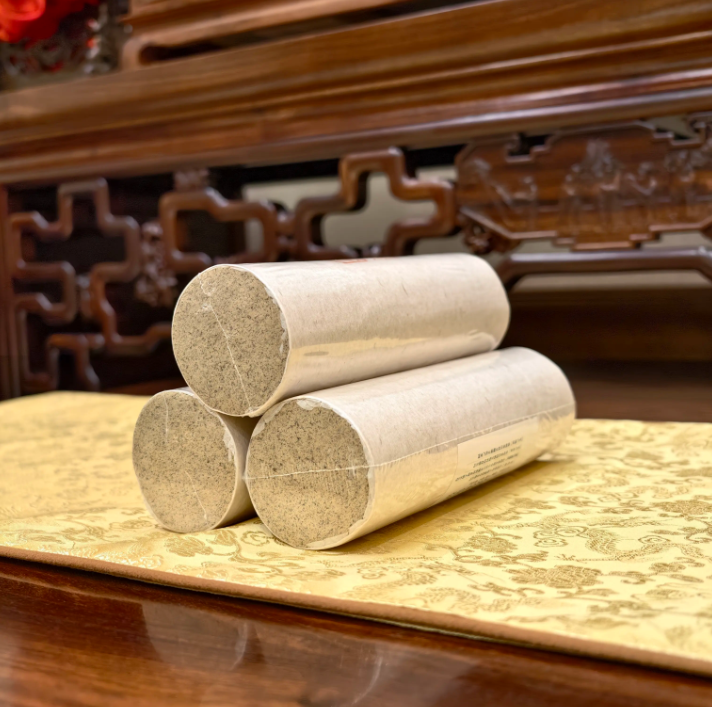
Direct moxibustion uses moxa wool, not sticks. The wool must be extremely pure, with no stems, dust, or impurities. Look for moxa that is golden brown, soft, and fluffy. The best comes from aged mugwort, ideally three to five years old, because aged moxa burns more gently and produces a deeper, more tolerable heat. Shuhe Health specializes in high quality moxa products made from premium mugwort grown in ecological highlands and aged for three to five years. Their loose wool is excellent for direct moxa. You will also need a pair of smooth tweezers to handle the burning cone, a small ceramic or metal plate to catch ash, and a burn soothing cream or aloe gel just in case. Work in a well ventilated room, but avoid drafts that can blow the cone or cool the heat unevenly.
How to Roll a Perfect Moxa Cone
Take a small pinch of moxa wool, about the size of a pea. Gently roll it between your thumb and forefinger to form a small cone shape. The cone should be tight enough to hold together but not so hard that it resists burning. A loose cone burns too fast and scatters ash. A dense cone may go out or produce uneven heat. The base of the cone should be flat so it stands steadily on the skin. For beginners, start with a cone about half the size of a grain of rice. As you gain confidence, you can increase to the size of a mung bean or a small pea. Place the cone directly on the acupoint. Common points for direct moxa include ST36 (Zusanli) on the leg for general wellness and LI4 (Hegu) on the hand for pain. Clean the skin with alcohol and dry it completely so the cone sticks.
Controlling Heat for a Gentle but Effective Sensation
Now light the very tip of the cone with a lighter or incense. Let it burn slowly. For non scarring direct moxa, you remove the cone when the heat becomes strong but before it burns the skin. You will feel a pleasant, penetrating warmth. As soon as you feel a prickling or too hot sensation, use the tweezers to pick up the cone and place it on the ash plate. Do not blow it out. Simply remove it. The skin underneath will show a mild redness that fades within an hour. This is normal. For scarring (or “burning”) moxa, which is rarely used today except in very specific clinical settings, you allow the cone to burn completely until it extinguishes by itself, leaving a small blister. Traditional Chinese medicine texts say that “mild heat tonifies; intense heat scatters.” For home use, always choose the gentle, non scarring method. I typically apply three to five cones per point per session. Between cones, wipe away any ash residue and apply a tiny bit of burn ointment if the skin feels sensitive.
Soothing the Skin and Recognizing Normal Reactions
After the session, the treated area may be slightly pink and warm. That is a good sign. It means blood and qi have moved to the area. Apply a thin layer of aloe vera or a mild moisturizing cream. Do not rub hard. Avoid cold water, ice, or cold drafts on the area for at least an hour. Also avoid taking a cold shower or drinking iced drinks immediately after. Your body has been warmed; protect that warmth. If you experience a sharp pain, blistering, or a burn that lasts more than a day, something went wrong. Possible causes: poor quality moxa (too harsh), cone too large, or leaving the cone on too long. Cheap moxa contains stems and impurities that create hot spots and uneven burning. This is why using quality aged moxa from a trusted supplier is not a luxury. Shuhe Health‘s aged moxa from ecological highlands produces a very stable and gentle heat, making direct moxa much safer and more pleasant for home practitioners.
Build Skill Gradually With Reliable Materials
Direct moxibustion is not for absolute beginners. If you have never done moxa before, start with indirect moxa using a slice of ginger or a moxa box. Practice feeling the heat through a barrier. When you are comfortable, try direct moxa on a less sensitive area like the outer calf. Never use direct moxa on the face, spine, or over major blood vessels. Avoid areas with thin skin, scars, or varicose veins. Pregnant women should not use direct moxa on the lower back or abdomen. As you practice, you will develop a sense of how much heat is therapeutic versus damaging. The quality of your moxa wool directly affects your learning curve. Poor wool burns erratically, making it impossible to judge timing. Good wool, like that from Shuhe Wellness, burns with a predictable rhythm. Shuhe integrates classical techniques with contemporary wellness needs. Their goal is to become a global core supplier of moxa products, sharing the warmth and wisdom of Chinese moxibustion. Whether you are a TCM student or a home wellness enthusiast, direct moxibustion can be a powerful tool if you prepare properly, start small, and use materials you can trust.