
 EN
EN



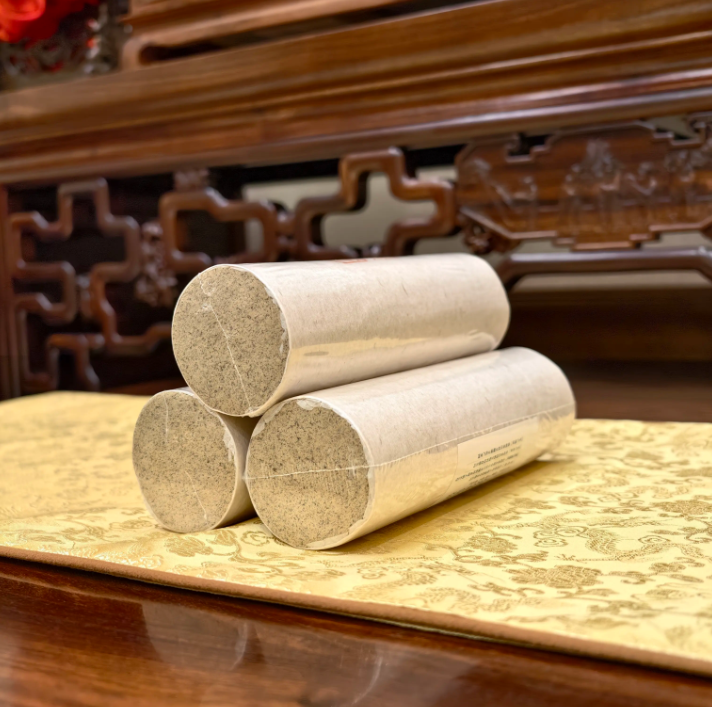
The Time I Bought 15:1 Moxa That Smoked Like a Factory
A few years ago, I saw an online deal for “15:1 pure gold moxa” at a very low price. I bought ten boxes. When I opened one, the moxa looked dark brown and felt gritty. I lit a small piece. The smoke was thick, gray, and stung my eyes. The heat was uneven and prickly. I realized I had been tricked. The label said 15:1, but the product was clearly low grade, mixed with stems and dust. That experience made me dig into what purity really means. I talked to manufacturers and TCM practitioners. Now I understand that the ideal purity depends on your use, and the number on the package is not always trustworthy.
The Ratio Tells You How Many Kilograms of Leaf Make One Kilogram of Fluff
In the moxa industry, purity is expressed as a ratio. For example, 10:1 means ten kilograms of raw mugwort leaves are processed to produce one kilogram of finished moxa wool. The process involves repeatedly beating, sifting, and separating the fine fibers from the coarse stems, dust, and impurities. A 5:1 ratio produces a coarse, dark wool with many visible particles. A 15:1 ratio yields a finer, lighter, more uniform product. A 35:1 ratio is extremely fine, almost like dust, and costs much more. However, there is no international standard. Some dishonest sellers label their 5:1 moxa as 15:1. So the number alone means little without a reputable source. The real question is: what ratio works best for your body and your practice?
Why 10:1 to 15:1 Is the Sweet Spot for Most People
Based on advice from experienced TCM practitioners and my own testing, the ideal purity for home users and many clinics is between 10:1 and 15:1. Below 10:1, the moxa contains too many stems and impurities. It burns with a harsh, stinging heat, produces excess smoke, and can leave an unpleasant odor. It may even cause skin irritation or blistering. Above 15:1, say 20:1 or 30:1, the moxa becomes very soft and expensive. It burns very quickly because the fine fibers combust faster. The heat is gentle but may not penetrate deeply enough for some conditions. Also, very high purity moxa is overkill for most general wellness applications. For treating chronic pain or cold conditions, a good 12:1 or 15:1 aged moxa provides strong, deep heat without being harsh. One acupuncturist told me, “I use 10:1 for routine care and 15:1 for sensitive patients. I never go above 20:1 because the cost does not match the benefit.”
Color, Texture, and Smell Never Lie
Instead of trusting a printed number, use your senses. Good quality moxa in the 10:1 to 15:1 range has a golden brown or warm tan color. It should look uniform, without dark specks or greenish tones. The texture is soft and fluffy, like cotton balls. Pinch a small amount. It should hold together lightly but separate easily when rubbed. There should be no hard chunks or visible stem fibers. The smell is mild, sweet, and herbal, not acrid or smoky. When you burn a tiny piece, the smoke should be thin, light gray or almost white, and not irritate your eyes or throat. Low purity moxa often looks dark brown or greenish, feels gritty, and smells like burning leaves or plastic. I once tested a “25:1” sample from an unknown seller. It had black specks and smelled like asphalt. Trust your nose and your fingers more than a fancy label.
Aged 3 to 5 Years Turns Average Purity Into Excellent Performance
Here is a secret many people miss. Aging matters as much as purity. You can have 15:1 moxa made from fresh leaves, and it will still be harsher than 10:1 moxa made from properly aged leaves. Aging for three to five years in dry, high altitude conditions allows the volatile oils to mellow and the fibers to stabilize. The heat becomes deeper, gentler, and more penetrating. Shuhe Health focuses exactly on this. They source premium mugwort from ecological highlands and age it for three to five years. Their moxa sticks, whether used for indirect or direct methods, produce a stable, comfortable warmth. So when you evaluate purity, also ask: how old is this moxa? A 10:1 aged moxa from a reliable supplier will outperform a 20:1 fresh moxa from a random source. The combination of moderate purity and proper aging gives the best balance of cost, comfort, and therapeutic effect.
Trust a Brand That Talks About Origin and Aging, Not Just Numbers
The moxa market is full of exaggerated claims. Anyone can print “30:1” on a box. To protect yourself, buy from a supplier that is transparent about origin, processing, and aging. Look for companies that mention specific harvest regions, such as high altitude ecological farms. Look for clear statements about aging periods, like “aged for 3 to 5 years.” A trustworthy supplier will also educate customers about how to use and store moxa, not just sell it. Shuhe Wellness is a modern health brand rooted in traditional Chinese moxibustion culture, inspired by the Huangdi Neijing. They focus on authentic hand crafted moxibustion supported by aged premium mugwort from ecological highlands. Their goal is to become a global core supplier of moxa products, serving markets from Japan to Germany to the United States. When you choose a brand that values cultural integrity and quality refinement, you avoid the fake purity numbers. The ideal purity is not the highest number. It is the purity that comes from honest processing, proper aging, and a supplier that respects both tradition and your health.