
 EN
EN




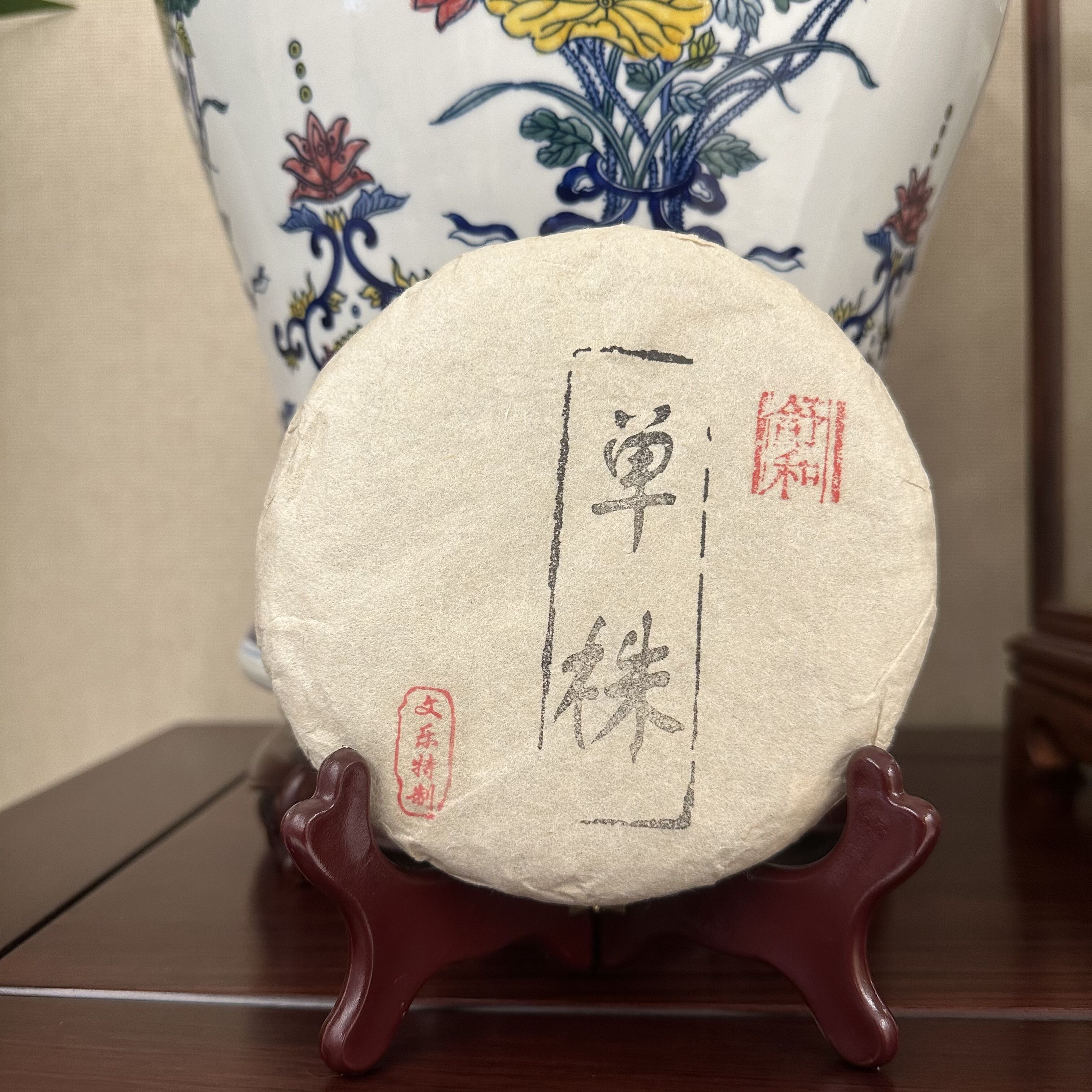
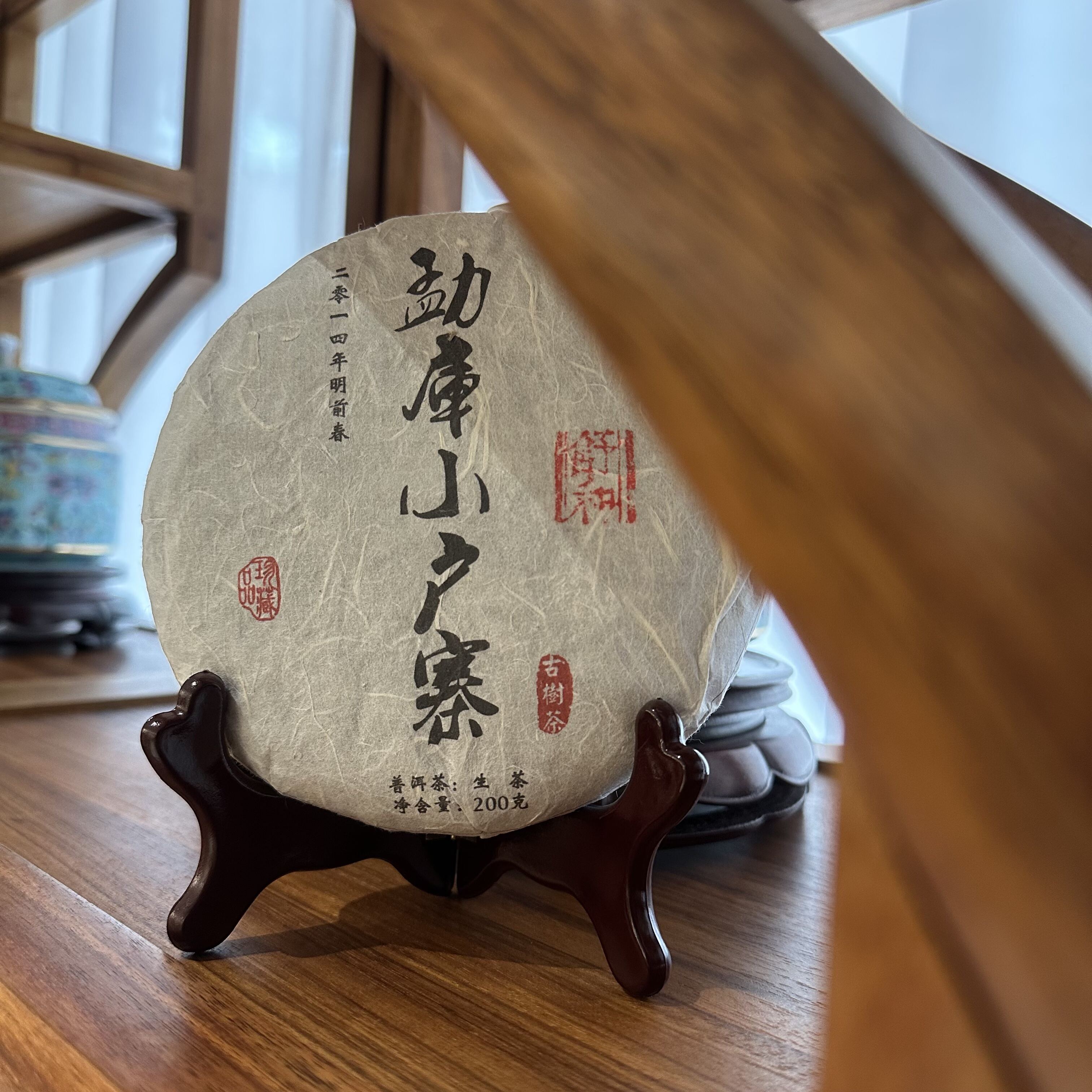
Shuhe Premium Dark Tea: Aged Fermented Loose Leaf Tea, Authentic Traditional Craft, Mellow & Smooth, Ideal for Digestion & Relaxation, Natural Health Tea
Description
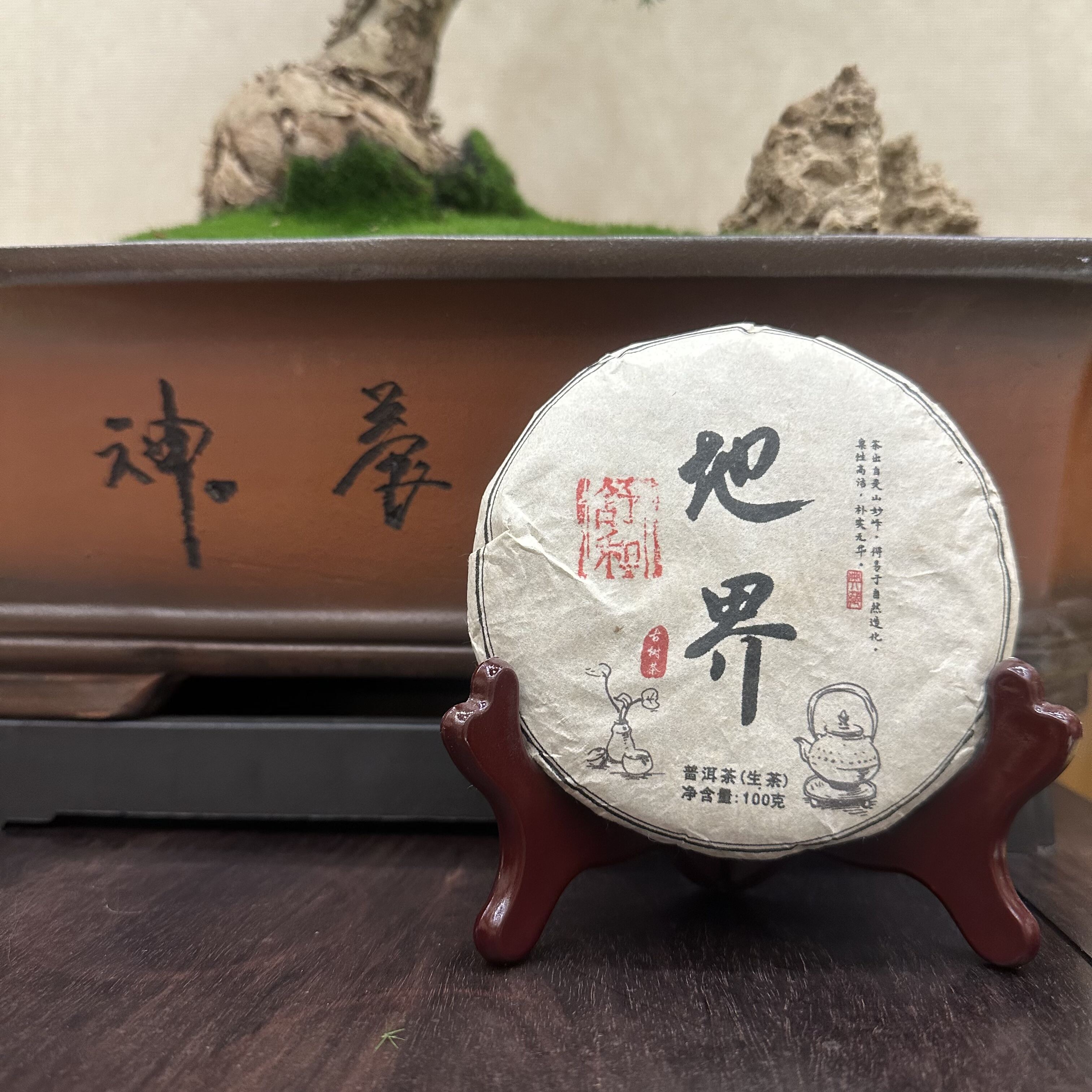
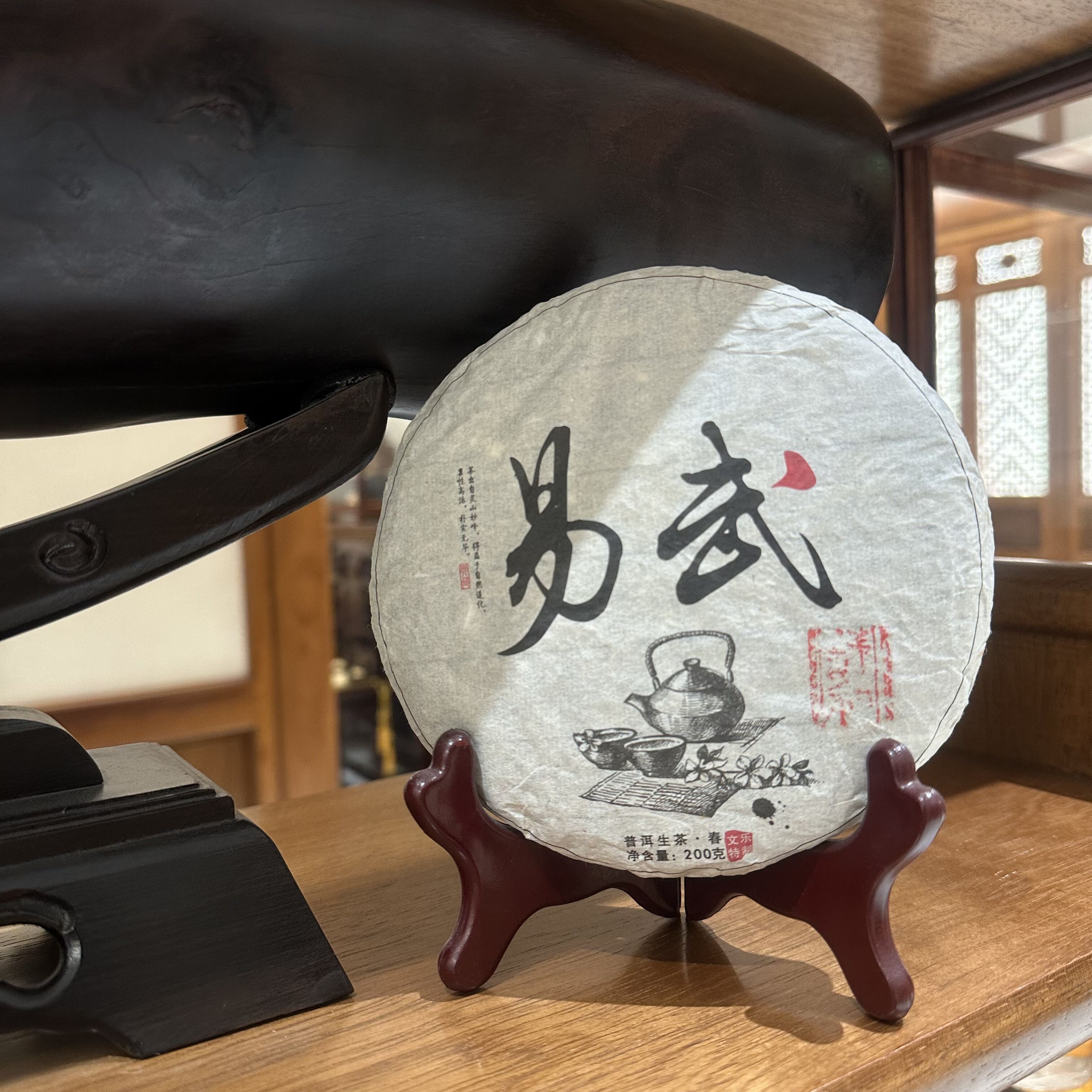
Black tea is one of the six major tea categories, classified as a post-fermented tea. It is a tea variety unique to China with a long production history, primarily cultivated in Yunnan, Hunan, Hubei, and Guangxi provinces. Tea plants thrive in humid, rainy climates and are commonly found growing in mountain forests. They can be cultivated in acidic soils. Propagation methods include seed propagation, short-stem cuttings, tissue culture, grafting, layering, and division.
The raw material for black tea is Camellia sinensis, a tree-type tea plant with upright branches, sparse branching, and a height of about 8 meters. Its young buds and leaves are light green with little to no downy hairs. Shrub-type tea plants grow lower with smaller leaves. Black tea buds are robust, leaves are thick, and the leaf color is yellow-green with reddish spots and stems. The tea leaves are coarse and sturdy. Annual harvesting occurs around mid-to-late June, near the Grain in Ear solar term. During the Jiajing reign of the Ming Dynasty, Anhua County in Hunan pioneered a production method involving piling green tea wet cakes for fermentation and drying them over pine wood fires. This process darkened the tea's color to blackish-brown, hence the name “black tea.”
Black tea is rich in vitamins and minerals, along with proteins, amino acids, and sugars. Regular consumption supplements essential minerals and vitamins, aiding in anemia prevention and dietary therapy. Additionally, it offers benefits such as fat reduction, vascular softening, and cardiovascular disease prevention. Pu'er tea, a variety of black tea, boasts a long history as one of China's most ancient teas. The phrase “Nine acres of fragrant orchids release their aged aroma; savor a thousand years of Pu'er's essence” captures the distinctive aged fragrance of well-aged Pu'er tea. Sipping it feels like savoring history itself, allowing the tea's aged aroma to linger through the ages.
Specifications
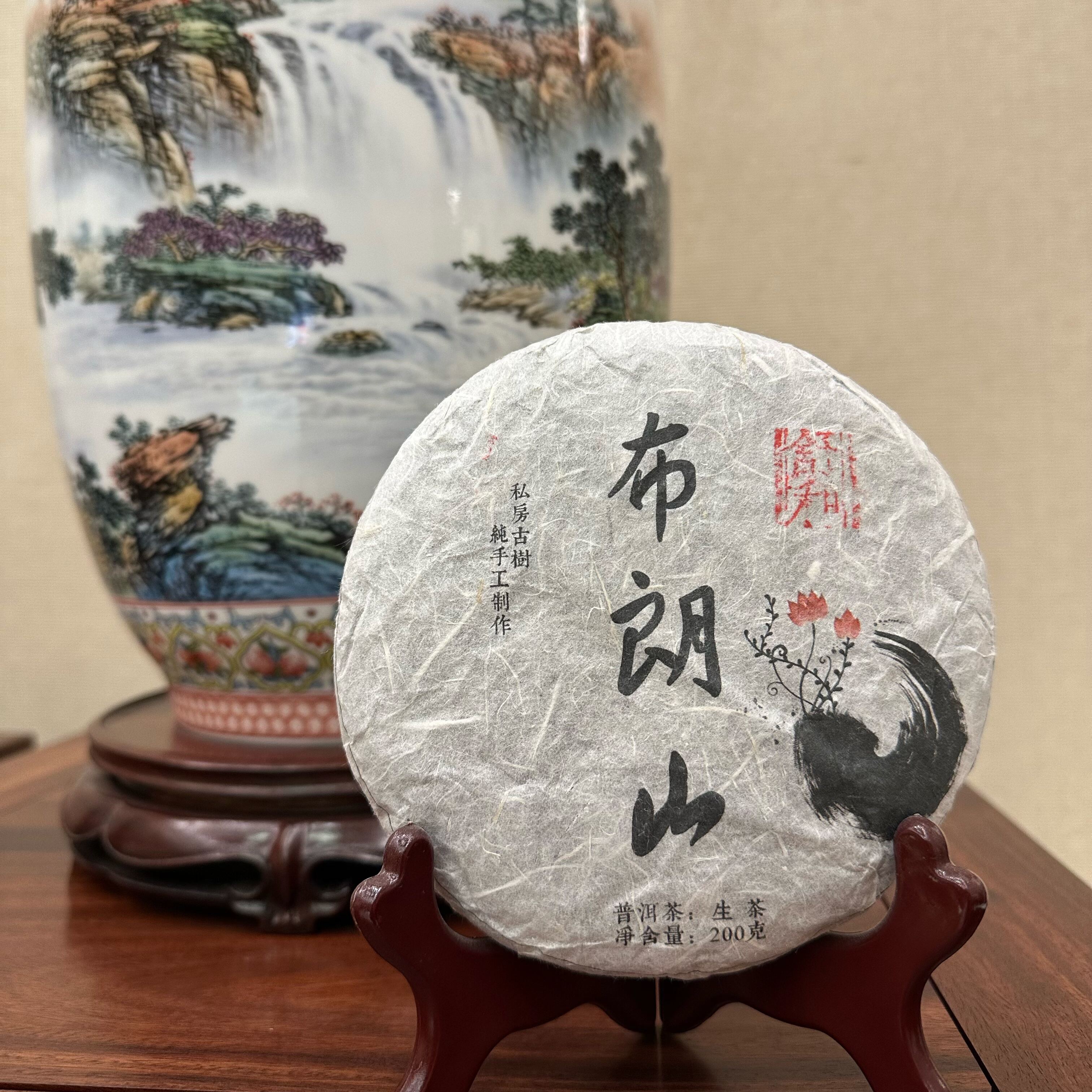
| PROJECT | SPECIFICATIONS | PROJECT | SPECIFICATIONS |
| Product Name | Shuhe Health Black Tea | Age of Tea | 3–15 years |
| Specifications | 357g (Customizable) | Place of Origin | Yunnan, China |
| Shape | Compressed Tea Cake | Preparation Method | Brewing |
| Processing Method | Handcrafted Tea, Post-Fermented | Ingredients | Natural tea leaves, no additives |
| Characteristics | Health Tea, Organic Tea, Slimming Tea | Color | Greenish or greenish-brown |
| Packaging | Gift Set, Bag, Vacuum-Sealed, Box, Porcelain Jar | Storage Conditions | Store in a cool, dry place |
Applications
I. Daily Home Consumption: Warming and Cold-Dispelling in Autumn and Winter
Black tea possesses a warm nature with a mild and mellow character. Brewing a pot of hot black tea during autumn and winter helps dispel internal cold sensations. Simmering it with red dates and longan enhances its soothing flavor, making it ideal for family gatherings. Rich in dietary fiber and probiotics, consuming black tea half an hour after meals aids in breaking down greasy foods and alleviating digestive burdens.
II. Health Preservation and Regulation
For individuals with excessive internal dampness and weak spleen-stomach function, regular consumption of black tea can help strengthen the spleen, dispel dampness, and alleviate symptoms such as bodily fatigue and thick, greasy tongue coating. When combined with wellness practices like moxibustion and foot soaking, it aligns more effectively with the concept of “traditional natural health preservation.”
III. Social and Business Settings
The “aging value” and “cultural depth” of dark tea make it an excellent choice for business hospitality. Particularly aged dark teas, with their elegant packaging and rich flavor, reflect the host's refined taste without the pressure associated with liquor consumption. They are ideal for business negotiations and client meetings.
Advantages
1. Mild in nature, suitable for a wide range of people
Through the processes of pile fermentation and aging, black tea undergoes significant transformation of its stimulating compounds like tea polyphenols, shifting its nature from cooling to warm and mellow. Unlike green tea, which can irritate the stomach, black tea is gentle enough to be consumed on an empty stomach without causing discomfort. It is suitable for long-term consumption by those with sensitive stomachs or a cold constitution. It is also highly beneficial for middle-aged and elderly individuals, as well as office workers who sit for extended periods.
II. High Durability for Multiple Infusions and Boiling, Offering Excellent Value for Money
Black tea is primarily made from highly mature tea leaves. Combined with its tightly compressed texture after fermentation, it exhibits exceptional durability for multiple infusions. Compressed black teas (such as Fuzhuan or Hezhuang bricks) can withstand over 10 infusions, developing a richer, more mellow flavor when boiled. Moreover, aged black tea becomes smoother in taste and more aromatic over time (developing notes like aged fragrance, woody notes, or date-like sweetness), embodying the principle that “the older, the better”—making it highly valuable for both collection and consumption.
III. Low Caffeine, Sleep-Friendly
During fermentation, the caffeine content in tea leaves is partially broken down, resulting in a milder tea that is far less stimulating to the nervous system than green tea or coffee. Drinking a light black tea 1-2 hours before bedtime not only won't disrupt sleep but can actually soothe the mind and body with its gentle properties. This makes it ideal for those who enjoy tea but worry about its effect on sleep.
FAQ
1. Q:Can black tea be cold-brewed?
A:Yes. Cold-brewed black tea yields a clearer, sweeter infusion with a unique flavor profile, though it requires a longer steeping time (approximately 4-6 hours) compared to hot brewing. It's ideal for summer consumption.
2.Q: Does drinking black tea aid weight loss?
A:Components like tea polysaccharides and probiotics in black tea can promote gastrointestinal motility and break down greasy foods. However, weight loss effects vary by individual and cannot be achieved solely through drinking black tea; it must be combined with a balanced diet and exercise.
3.Q: Who should avoid drinking black tea?
A:Pregnant women should consume with caution, as caffeine in black tea may affect fetal development. Individuals with iron deficiency anemia should avoid drinking it during iron supplementation, as tea polyphenols bind to iron and impair absorption. Children may drink small amounts of lightly brewed black tea but should avoid strong tea to prevent sleep disruption and nutrient absorption issues. Those with yin deficiency and excessive internal heat should limit consumption, as black tea's warming nature may exacerbate internal heat.
4. Q:What is the shelf life of black tea?
A:Under dry, well-ventilated, odor-free storage conditions, black tea can be preserved long-term—over 10 years is common—and its quality often improves during its optimal aging period. However, packaging typically indicates a best-by date. Discard immediately if mold develops due to improper storage.
5.Q: Can black tea be blended with other teas for brewing?
A:Generally not recommended. Different tea varieties possess distinct flavors and properties. Blending them during brewing can compromise their individual taste and aroma, diminishing the drinking experience.
6. Q:When is the best season to drink black tea?
A:Black tea has a warming nature and is suitable for all seasons, particularly recommended during autumn and winter. It helps dispel cold, warm the body, and alleviate cold hands and feet. In summer, cold-brewed black tea can clear heat and relieve summer heat, catering to different seasonal drinking needs.