
 EN
EN



A Plant That Earned Its Place Over Millennia
Traditional remedies do not survive for thousands of years by accident. They persist because they work, and because each generation of healers tests, refines, and passes down what they have learned. Mugwort, known in Chinese medicine as ai ye, is one of the few plants that appears in the earliest written records of multiple civilizations. The Shennong Bencao Jing, a pharmacopoeia compiled during the Han Dynasty, describes mugwort as a herb that can expel cold, stop pain, and restore the body's natural balance. Centuries later, the famous Ming Dynasty physician Li Shizhen wrote in his Bencao Gangmu that mugwort was particularly effective when the body's channels were blocked by cold and dampness. Across the sea in Japan, mugwort became central to moxibustion, a practice so deeply embedded in daily wellness that families would perform it at home for common ailments. In medieval Europe, mugwort hung above doorways was believed to protect the household from illness. These are not separate traditions that happened to choose the same plant. They are independent discoveries of mugwort's ability to interact with the human body in ways that promote healing, and modern science is now revealing the biochemistry that underpins those ancient observations.
The Chemistry Behind the Warmth
The sensation of warmth that mugwort produces on the skin is not just a psychological response to a comforting ritual. It is a measurable biochemical event. Mugwort leaves contain a volatile oil fraction rich in compounds like cineole, camphor, borneol, and thujone. When the dried leaf is burned as moxa, the infrared spectrum emitted matches the absorption range of human tissue, which means the heat penetrates deeply rather than just warming the surface. At the same time, the volatile compounds are vaporized and absorbed through the skin or inhaled. Cineole, the same compound that gives eucalyptus its distinctive smell, has documented anti inflammatory and antimicrobial properties. A research team at a Korean university published findings in the Journal of Ethnopharmacology showing that mugwort essential oil inhibited the growth of several common pathogens, including Staphylococcus aureus. The camphor and borneol in mugwort create a mild analgesic effect by stimulating nerve endings, which helps explain why moxibustion has been used so consistently for joint and muscle pain. These compounds do not operate in isolation. The whole plant extract consistently outperforms isolated fractions in studies, suggesting that the synergy between these molecules is what makes mugwort so versatile in traditional formulations.
Warming the Channels and Moving What Is Stagnant
In the language of traditional Chinese medicine, many chronic pains and digestive problems are described as patterns of cold and stagnation. Cold contracts, slows circulation, and causes pain. Mugwort's warm nature is thought to enter the liver, spleen, and kidney meridians, the pathways associated with movement, digestion, and vitality. A retired construction worker who had spent decades lifting heavy loads in cold weather described how his knees would ache so badly in winter that he dreaded getting out of bed. An acupuncturist performed indirect moxibustion over the ST36 point on both legs for six sessions. The man reported that not only did the knee pain fade, but his whole body felt warmer, and his digestion improved. This is the kind of systemic response that traditional practitioners expect from mugwort. The local heat at the acupuncture point triggers a reflex that dilates blood vessels in the surrounding area, improving microcirculation. Improved circulation clears metabolic waste products that accumulate in tight, ischemic muscles and joints. The volatile compounds absorbed during the treatment extend the effect beyond the treatment session, producing a lingering warmth that patients often describe as deeply comforting.
A Woman's Ally Across Generations
One of the most consistent threads in mugwort's traditional use across cultures is its application in women's health. In Chinese medicine, mugwort is considered to warm the uterus, regulate menstruation, and calm the fetus. A traditional remedy for menstrual cramps involves steeping dried mugwort leaves in hot water and using the infusion as a foot bath or a compress over the lower abdomen. A mother of two in her forties shared that her grandmother taught her to drink a mild mugwort tea with ginger and red dates during the first few days of her cycle. She found that the combination eased the heavy, dragging sensation that had always accompanied her periods. Modern investigation into this traditional use has found that certain flavonoids in mugwort have a mild antispasmodic effect on smooth muscle tissue, which lines the uterus and the digestive tract. This pharmacological action aligns with the traditional observation that mugwort can calm menstrual cramping. The World Health Organization included moxibustion in its 1999 report on acupuncture and related techniques, specifically noting its effectiveness in correcting breech fetal presentation when applied to the BL67 acupoint on the little toe. This clinical endorsement brought a traditional gynecological use of mugwort into the evidence based mainstream.
Calming the Digestive Fire and the Nervous System
Mugwort's bitterness is more than a flavor. It is a functional signal to the digestive system. Bitter herbs stimulate the secretion of saliva, gastric acid, and bile, priming the body to break down food more efficiently. European folk medicine traditionally paired mugwort with fatty meats like goose and pork because the herb helped the stomach handle rich, heavy meals. A clinical herbalist working in a digestive health clinic in the United Kingdom noted that several of her patients with functional dyspepsia, a condition where the stomach feels full and uncomfortable without a clear structural cause, responded well to a standardized mugwort preparation taken before meals. Beyond digestion, mugwort has a quiet reputation as a nerve tonic. A cup of mugwort tea in the evening has a mildly sedative effect that does not knock a person out but gently quiets mental chatter. A university student who struggled with exam anxiety described how her roommate, an international student from China, brewed her a mugwort and chrysanthemum blend that helped her sleep without the grogginess of over the counter sleep aids. This calming effect is partly attributable to the volatile compounds interacting with GABA receptors in the brain, a mechanism shared by several traditional sedative herbs.
Sourcing Mugwort That Delivers on Tradition's Promises
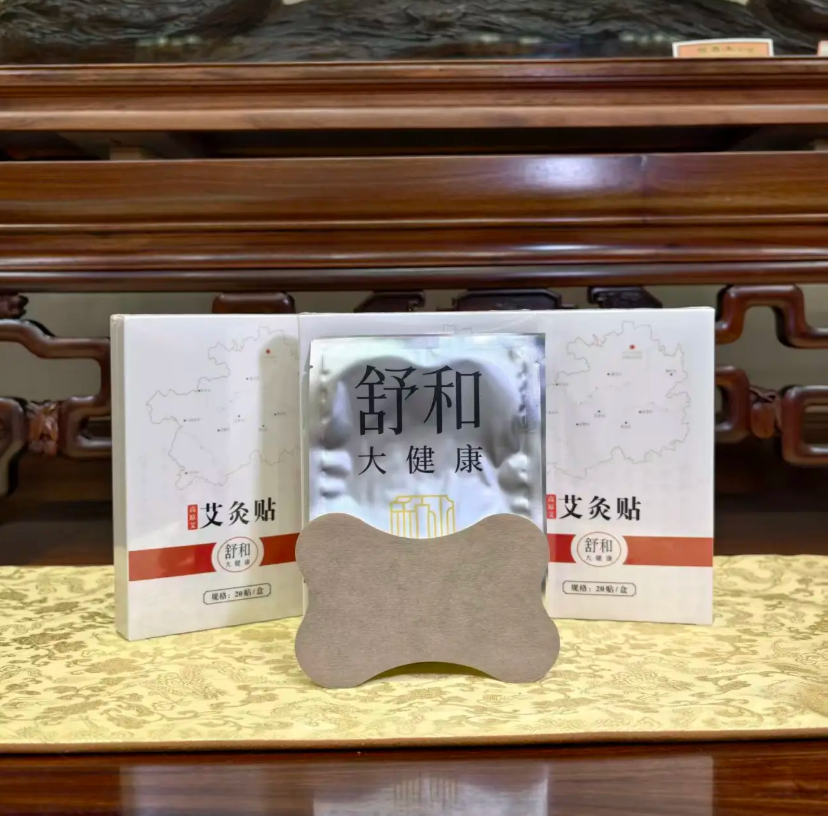
The effectiveness of traditional remedies depends entirely on the quality of the raw material, and mugwort is no exception. The essential oil content of mugwort can vary dramatically depending on where the plant was grown, when it was harvested, and how it was dried and stored. Mugwort that is harvested too early lacks full therapeutic potency. Mugwort harvested too late or dried in direct sun loses its volatile oils and takes on a hay like, musty character that experienced herbalists immediately recognize as inferior. Shuhe has dedicated its operations to controlling every variable in this process. The company sources mugwort from growing regions where soil and climate conditions are optimal for producing high essential oil concentrations. Harvesting is scheduled for the brief window when the leaves reach peak oil content, and drying is conducted in shaded, temperature controlled environments that protect the delicate aromatic compounds. Every batch is tested for purity and potency before it is released. This attention to detail means that when a practitioner lights a moxa stick, brews a cup of mugwort tea, or formulates a wellness product, the material in their hands is consistent and effective. Shuhe's ability to deliver this quality on a predictable supply schedule supports acupuncturists, herbalists, and wellness brands around the world in keeping traditional remedies relevant and reliable in a modern marketplace.