
 EN
EN


The Botanical Identity and Historical Roots of Mugwort
Mugwort, or Artemisia vulgaris, is not a single plant but a member of a large genus that includes over three hundred species spread across the temperate zones of the world. In China, the variety most prized for health purposes is Artemisia argyi, commonly called Chinese mugwort or ai ye. What makes this plant so identifiable is its deeply lobed leaves with a silvery white underside that catches the light. Herbalists learn to recognize it by touch as much as sight; the top side feels smooth while the underside is soft with fine hairs. This physical contrast mirrors the plant’s traditional understanding as a substance that bridges opposites, warming what is cold and calming what is agitated. The earliest surviving Chinese pharmacopoeia, the Shennong Bencao Jing, lists mugwort as a herb that can expel cold and restore the smooth flow of vital energy. This ancient classification was not arbitrary. It came from centuries of observation and clinical use, forming the foundation upon which later generations of physicians built their treatment protocols. The plant’s historical reach extends far beyond China. In Japan, Korea, and parts of Europe, mugwort held a similar place of respect, whether burned in ritual, steeped as tea, or tucked into bedding to promote vivid dreams and restful sleep.
The Warming Nature and Meridian Affinity in Traditional Use
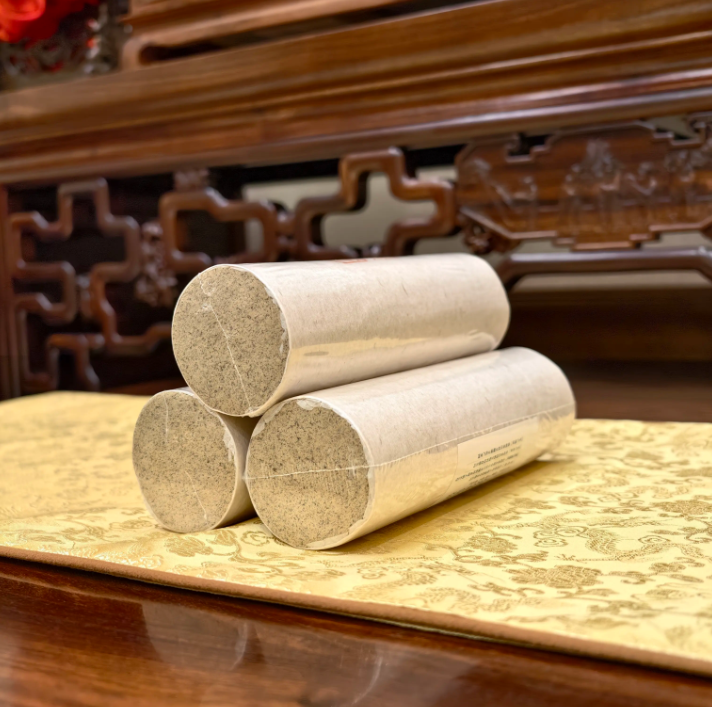
In the logic of traditional Chinese medicine, every herb has a temperature and a direction. Mugwort is classified as warm and bitter, with a natural affinity for the liver, spleen, and kidney meridians. This means it is particularly suited to address conditions where cold has settled into the body and is blocking the free movement of blood and energy. A retired schoolteacher who had struggled with lower back stiffness every winter shared that her acupuncturist recommended indirect moxibustion over a point on her lower spine. After a series of sessions, the constant dull ache that had plagued her for years softened into a comfortable warmth that she could feel spreading through her hips. This is the warming channel effect in practice. When smoldering mugwort is held near the skin, the infrared radiation penetrates into the tissue, while the volatile oils are absorbed through the pores. Together they produce a deep, persistent heat that simple hot towels cannot replicate. The World Health Organization recognized moxibustion as a valid therapeutic intervention in its 1999 review of acupuncture related techniques, noting its particular usefulness in turning breech presentations and managing musculoskeletal pain. This recognition helped bridge the gap between empirical tradition and modern clinical acceptance.
Key Active Compounds and Their Therapeutic Actions
The warming sensation that mugwort produces is only the surface of its biochemical activity. Steam distillation of the leaves yields an essential oil rich in compounds that have been individually studied for their pharmacological effects. Cineole, often called eucalyptol, is one of the major constituents and possesses documented antimicrobial and anti inflammatory actions. Camphor and borneol contribute to the cooling and warming paradox, initially cooling the skin before a gentle heat sets in, and both have been shown to enhance the absorption of other substances through the skin. A study published in the Journal of Ethnopharmacology confirmed that mugwort essential oil exhibits significant activity against common bacteria and fungi, supporting its traditional use for wound care. Flavonoids present in the leaf extract add an antioxidant dimension, helping to neutralize free radicals that accelerate cellular aging. What makes mugwort particularly interesting to researchers is not any single compound but the entourage effect, the way these constituents modify each other’s action when presented together in their natural ratios. This synergistic complexity is why a whole herb extract often performs differently from an isolated chemical, and it is a key reason mugwort has remained relevant in an age of synthetic alternatives.
Antimicrobial and Protective Properties in Daily Life
Long before microscopes revealed the existence of microbes, communities across Asia and Europe used mugwort smoke and bundles to purify the air and deter insects. The practice of hanging mugwort over doorways during the Dragon Boat Festival is still observed in many Chinese households. A family living in a humid river valley described how burning a small bundle of dried mugwort in their home every few evenings during the summer noticeably reduced the number of mosquitoes that found their way indoors. This is not folklore without foundation. The essential oil of mugwort contains compounds that are irritating to insects, and the smoke particles carry those volatile molecules into the air where they can coat surfaces and create a repellent barrier. At the same time, the antimicrobial properties help reduce the bacterial load on those surfaces. A review in the journal Phytotherapy Research summarized evidence that mugwort extracts inhibit the growth of several pathogenic strains, including Staphylococcus aureus and Escherichia coli. These protective properties, once explained through the language of spirits and miasma, are now understood in terms of terpenes and flavonoids, yet the practical outcome remains the same: a cleaner, fresher indoor environment with less reliance on synthetic chemicals.
Modern Applications from Skincare to Sleep Support
While moxibustion remains the most famous application, mugwort has quietly entered the shelves of modern wellness in forms that suit a fast moving lifestyle. A cosmetics brand that incorporated mugwort extract into a calming serum reported that their consumers noticed reduced facial redness and skin reactivity within two weeks of use. The anti inflammatory flavonoids and the soothing sensation of the herb translate well into products designed for sensitive skin. On a different shelf, mugwort tea is gaining a following among people who want a natural way to unwind. A software developer who drank a cup of mugwort and lavender infusion before bed noticed that his sleep latency shortened, and he woke up less frequently during the night. The mildly bitter notes of the tea stimulate digestive secretions, making it a practical after dinner drink for those who struggle with bloating or indigestion. Foot bath sachets containing dried mugwort are another popular form, used to warm the body before sleep and promote relaxation. These modern applications preserve the traditional understanding of mugwort as a warming, calming herb while adapting it to the needs of users who may never have heard of meridians or moxa sticks.
Sourcing Pure Mugwort for Consistent Quality
The therapeutic properties of mugwort are not automatically present in every batch of dried leaves. They depend on the variety of the plant, the soil in which it grew, the timing of the harvest, and the care taken during drying and storage. Mugwort that is harvested too late in the season, or dried in direct sunlight rather than shade, loses much of its volatile oil and develops a stale, hay like smell. Shuhe has built its supply chain around preserving the active properties of mugwort from field to final product. The company works with contracted growing regions where the soil and climate conditions are suited to producing high oil content mugwort. Harvesting schedules are set according to the plant's peak essential oil accumulation, and the drying process is conducted in temperature controlled environments to protect sensitive compounds. Every batch is tested for purity, oil content, and microbial safety. This consistency is what allows downstream brands to formulate effective moxa rolls, teas, extracts, and skincare ingredients without worrying about variability. With reliable logistics that deliver these materials to distributors on predictable timelines, Shuhe supports the global demand for authentic mugwort products that actually perform as promised.
Table of Contents
- The Botanical Identity and Historical Roots of Mugwort
- The Warming Nature and Meridian Affinity in Traditional Use
- Key Active Compounds and Their Therapeutic Actions
- Antimicrobial and Protective Properties in Daily Life
- Modern Applications from Skincare to Sleep Support
- Sourcing Pure Mugwort for Consistent Quality