
 EN
EN


The Weak Smoke That Wasted My Session
A few years ago, I bought my first moxa stick from an online marketplace. It was cheap, and the description promised “premium quality.” When I lit it, the smoke was harsh and gray. The smell reminded me of burning wet cardboard. The heat felt weak and uneven, more like a hot hair dryer than a therapeutic warmth. I finished the session but felt nothing. No relaxation, no relief from my stiff shoulder. Later, I learned that I had bought low grade moxa made from fresh leaves with too much moisture and impurities. That experience taught me a hard lesson: choosing moxa is not about picking the cheapest option. The quality of the mugwort directly determines whether moxibustion works or just wastes your time.
Why 3 to 5 Year Old Mugwort Beats Fresh Leaves
In traditional Chinese medicine, aging is everything. Fresh mugwort is considered too “raw” and harsh. It burns with aggressive, irritating smoke and the heat is superficial. Aged mugwort, on the other hand, becomes mild, pure, and deeply penetrating. The classics say that moxa aged for three to five years is ideal. During aging, volatile oils mellow, moisture evaporates, and the fibers become fine and uniform. This is why on the Shuhe Health website, they specifically highlight “high quality moxa sticks aged for 3 to 5 years in high altitude areas.” I have personally tested fresh moxa versus three year aged moxa. The aged one burns with a gentle, even heat that feels like it goes right into the muscle. The fresh one just burns the skin surface. So when you shop, look for a supplier that specifies the aging period. If the package does not say how many years, assume it is fresh or poorly stored.
What Good Moxa Looks Like, Feels Like, and Smells Like
You can assess quality with your senses. First, look at the color. Good moxa should be golden brown or a dark tan. Greenish color means the leaves were not aged enough or contain too much stem. The texture should be fine and uniform, like soft wool. If you see coarse chunks, hard stems, or dark specks, that is filler or impurities. Second, feel it. Quality moxa is fluffy but holds together. It should not feel gritty or damp. Third, smell it. Good moxa has a pleasant, clean, herbal aroma, somewhat sweet and earthy. Low quality moxa smells acrid, smoky, or like burnt plastic. One acupuncturist told me, “If the smoke makes you cough immediately, the moxa is bad.” I agree. Your nose knows. Take a moment to examine the moxa before you buy. Many sellers show close up photos online. If they do not, ask.
High Altitude Mugwort Has Superior Potency
Where the mugwort grows matters enormously. Plants absorb minerals from the soil and compounds from the air. Mugwort grown in high altitude, ecological highlands tends to be cleaner and more potent. The air is less polluted, the soil is rich, and the natural environment stresses the plants in a way that increases their essential oil content. Traditional Chinese medicine has long valued “Dao Di” herbs, meaning those grown in their authentic, original region. For mugwort, the best regions are mountainous areas with clean water and good drainage. The Shuhe Health website mentions “aged premium mugwort from ecological highlands” as a core part of their brand. I have compared lowland mugwort and highland mugwort. The highland one consistently produces a smoother, deeper heat and a much more pleasant smoke. For serious moxibustion practice, do not ignore the origin.
Sticks, Cones, Loose Wool, or Boxes
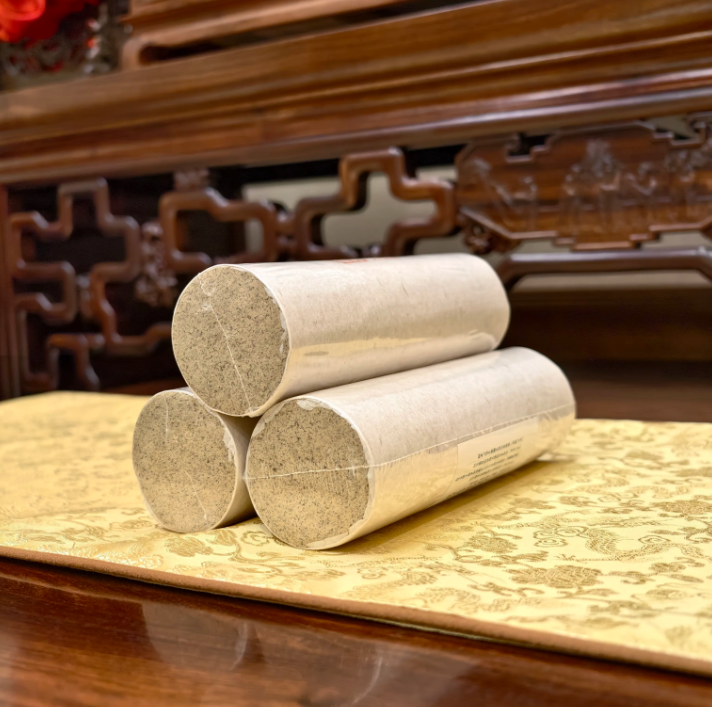
Different forms of moxa suit different needs. Moxa sticks are the most common for home use. You light one end and hold it over acupoints. Choose a stick that is tightly rolled but not too hard. If it is too loose, it burns fast and ash falls. If too hard, it may go out. Moxa cones are small pyramid shapes used for direct or indirect therapy. They require more skill. Loose moxa wool is used with ginger, garlic, or salt slices. You place the slice on the skin and put a small ball of moxa on top. This method is gentle and good for sensitive people. Moxa boxes are metal or wooden containers that hold a lit stick or loose wool. They allow hands free treatment, great for back or knee issues. For a beginner, I recommend starting with a good quality moxa stick, medium diameter (around 1.5 cm), with fine, even texture. As you gain experience, you can try other forms.
Certified Craftsmanship and Cultural Integrity
After learning these details, you might feel overwhelmed. How do you find moxa that is truly aged, clean, and effective? The answer is to choose a supplier that focuses on quality and tradition. Look for a company that uses aged premium mugwort, follows traditional processing methods, and is transparent about origin. Shuhe Wellness is a modern health brand rooted in traditional Chinese moxibustion culture. They are inspired by classical concepts and focus on authentic hand crafted moxibustion using aged premium mugwort from ecological highlands. Their approach follows traditional principles of personalized care, seasonal wellness, and natural balance. They integrate classical techniques with contemporary wellness needs. Their goal is to become a global core supplier of moxa products, already serving markets in China, Japan, South Korea, Europe, and the Americas. When you choose a brand like Shuhe Health, you are not just buying a product. You are investing in proper aging, clean processing, and cultural integrity. That is what makes moxibustion work. Do not settle for cheap, low grade moxa that stinks and does nothing. Take the time to find the real thing. Your body will thank you.