
 EN
EN


Side by Side: Fresh Moxa vs Three Year Aged
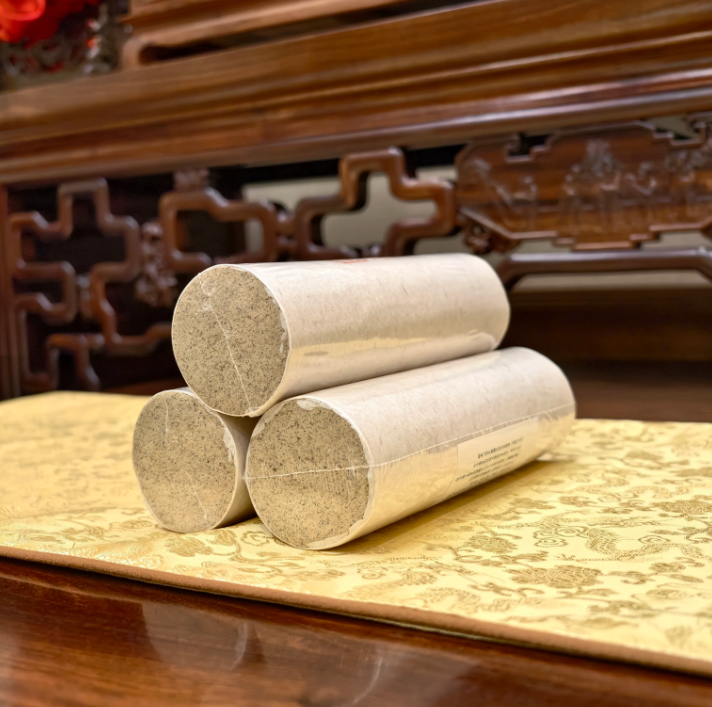
Last spring, I visited an experienced TCM practitioner in Beijing. He offered to show me the difference between fresh moxa and properly aged moxa. He lit two sticks, one made from last year‘s harvest and one that had been stored for three years. He held each over the same acupoint on my knee. With the fresh stick, I flinched immediately. The heat was sharp and stinging. The smoke made me cough. After two minutes, I felt a superficial burn but no deeper effect. Then he switched to the aged stick. The warmth was completely different. It spread slowly, like honey pouring into the joint. My knee, which had been stiff from old sports injury, began to loosen. The effect lasted for hours. That day, I stopped doubting why traditional texts insist on aged moxa.
Oxidation Turns Irritants Into Healing Compounds
Let me explain the science behind my experience. Fresh mugwort contains high levels of volatile oils, particularly thujone, camphor, and 1,8-cineole. These compounds are strong skin and mucous membrane irritants. When you burn fresh leaves, these oils vaporize rapidly, creating harsh smoke and a needle like heat. Over three to five years of proper storage in dry, ventilated conditions, oxidation occurs. The volatile oils break down into less irritating substances. At the same time, the plant fibers undergo slow decomposition, becoming finer and more uniform. This change in physical structure allows aged moxa to burn at a lower, more stable temperature. The combustion becomes slower and more complete, producing a gentle, penetrating infrared heat. Laboratory analysis has confirmed that aged moxa emits a higher proportion of far infrared radiation in the therapeutic 6–14 micron range, which is known to penetrate human tissue deeply. So aging is not a mystical concept. It is measurable chemistry and physics.
Two Thousand Years of Evidence Behind Aged Moxa
The preference for aged moxa is not a modern marketing idea. It is written clearly in the classical texts. Li Shizhen, the great Ming dynasty herbalist, stated in his Compendium of Materia Medica: “Moxa that has been stored for three years is good for treating diseases. Moxa stored for five years is even better.” He explained that fresh moxa injures the blood vessels and scatters the protective qi, while aged moxa warms the channels without harming the body. This understanding comes from centuries of clinical observation. Today, Shuhe Wellness draws inspiration from the Huangdi Neijing, the foundational text of Chinese medicine, which emphasizes harmony and balance. By focusing on authentic hand crafted moxibustion supported by aged premium mugwort from ecological highlands, they apply this ancient wisdom to modern wellness. When you choose properly aged moxa, you are not following a fad. You are using a method validated by two thousand years of practice and now supported by infrared thermal imaging studies.
What Deep Heat Feels Like Versus Surface Burn
Patients often describe the difference in vivid terms. One middle aged woman who suffered from chronic lower back pain told me: “With the cheap moxa, it felt like someone was poking my skin with a hot needle. I got a red mark that turned into a blister. The pain actually got worse.” After switching to three year aged moxa from a reliable source, she said: “The heat felt like a warm hand pressing into my back. It spread to my hips and even down my legs. After three sessions, I could bend over to tie my shoes again.” This is the difference between yang fire and yin fire, as traditional texts put it. Surface heat contracts and damages. Deep, gentle heat relaxes and repairs. Aged moxa generates the latter because the aging process removes the harsh elements and leaves behind the pure, warming essence. If your moxa burns your skin or leaves marks that last more than a few hours, the quality is poor. Good aged moxa may cause a mild redness that fades quickly, but never a blister.
Cheap Moxa Is Expensive in the Long Run
Some buyers hesitate at the higher price of aged moxa. Let me do a simple cost calculation for you. A cheap, fresh moxa stick might cost two dollars. But it burns fast because the loose, coarse fibers and high oil content make it combust quickly. You might use one and a half sticks per session. And because the heat is superficial, you need five or six sessions to feel any lasting benefit. That totals twelve to fifteen dollars per course, plus wasted time and possible skin irritation. A quality aged moxa stick might cost six dollars. It burns slowly and evenly, so one stick lasts for three sessions. And because the penetration is deep, you may need only two or three sessions to resolve the issue. That totals four to six dollars per course. Aged moxa is actually cheaper per effective treatment. More importantly, it works. That is real value. Shuhe Wellness, with its goal to become a global core supplier of moxa products, provides high quality moxa sticks aged for three to five years in high altitude areas. Their supply chain serves markets from Japan to Germany to the United States. Investing in such quality is not a luxury. It is smart economics.
Look for Color, Texture, Smell, and Supplier Honesty
How do you identify truly aged moxa? Use your senses. First, color. Good aged moxa should be golden brown or a dark tan. Greenish or yellowish green color means insufficient aging or too many stems. Second, texture. It should feel like soft, fluffy cotton, with no hard chunks or visible plant veins. Pinch a small amount. It should hold together lightly but fall apart easily when rolled. Third, smell. Light the moxa. Aged moxa produces a mild, pleasant, herbal aroma, somewhat sweet and earthy. There should be no acrid, smoky, or chemical odor. If it stings your eyes or makes you cough, it is not properly aged. Also, beware of artificially aged moxa. Some dishonest sellers steam or chemically treat fresh leaves to make them look brown. This fake aged moxa often has a uniform, dull brown color and an unnatural smell. The best way to avoid fakes is to buy from a supplier with transparency and reputation. A company like Shuhe Health, which is rooted in traditional culture and committed to quality, will provide honest information about aging periods and origins. They use premium mugwort from ecological highlands, not lowland fields with pollution. When you find a trustworthy source, stick with it. Your health deserves nothing less.