
 EN
EN



News
Why is moxibustion utilized for managing chronic pain?
Let me start with a simple observation that might surprise you. Chronic pain is everywhere. Almost everyone either has it themselves or knows someone who is struggling with it. Back pain that never really goes away. Arthritis that stiffens up every morning. Neck and shoulder tension that just builds and builds. And here is the sad part. For millions of people, conventional medicine does not have great answers. Painkillers help for a while, but they come with side effects and risks of addiction. Surgery is invasive and not always successful. Physical therapy is great, but it takes time and effort.
This is exactly why more and more people are looking at traditional approaches. And one of the most interesting options out there is moxibustion. You might not have heard of it, but this therapy has been around for thousands of years in Chinese medicine. And now, modern research is starting to catch up with what traditional practitioners have known all along. Moxibustion actually works for chronic pain.
Here at Shuhe Wellness, moxibustion is the core of the business. The company focuses on traditional hand crafted moxibustion using aged mugwort from high altitude farms, and they have built a full chain operation that covers everything from growing the plants to running actual treatment rooms. That kind of dedication tells you something. When people invest that heavily in a therapy, it is because they have seen real results.
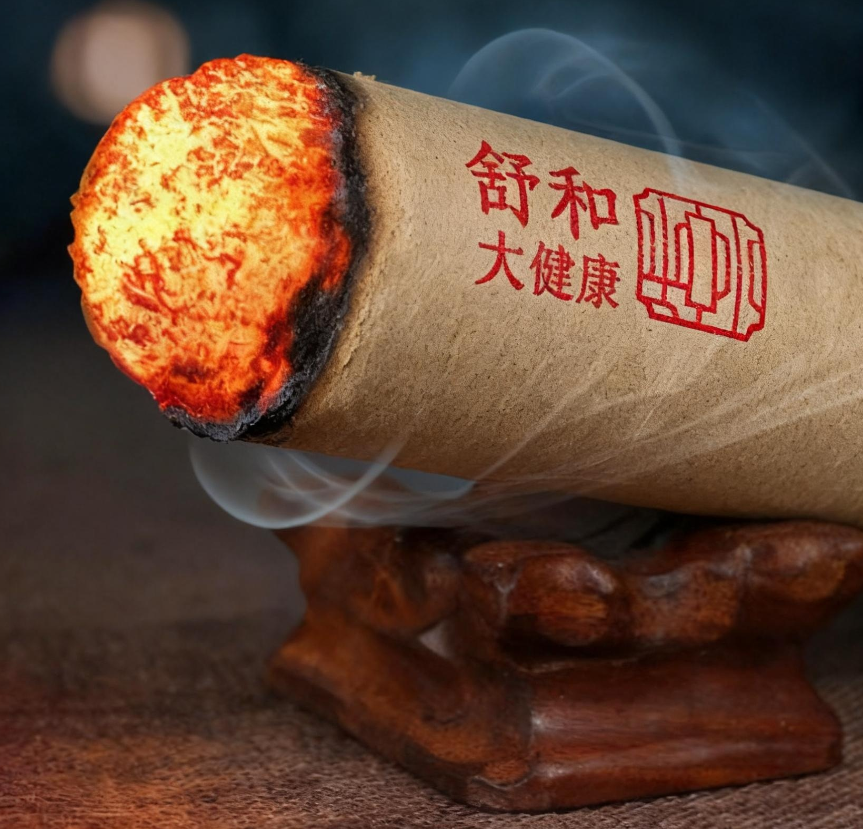
So what is moxibustion exactly? In simple terms, you take dried mugwort leaves, compress them into a stick or a cone, and then burn it near specific points on the body. The heat penetrates deep into the tissues, and somehow, that helps with pain. But the really interesting question is why. Why does applying heat to the skin help with chronic pain that has been bothering someone for years? Let me walk you through what the science is saying.
How Moxibustion Targets the Real Root of Chronic Pain
Here is something that a lot of people do not realize. Chronic pain is not the same as acute pain. When you stub your toe, that sharp immediate pain is your nervous system doing its job, warning you that something just happened. But chronic pain is different. It is pain that sticks around long after the original injury has healed. And researchers have figured out that this happens because of something called central sensitization. Basically, your nervous system gets stuck in a state of high alert. It starts interpreting normal sensations as painful, and it amplifies pain signals way beyond what they should be.
A 2024 research review looked at exactly this mechanism. The study introduced the role of sensitization of the peripheral and central nervous systems in chronic pain, then reviewed how acupuncture and moxibustion affect neuropathic pain, postoperative pain, and several kinds of chronic nociceptive pain including low back pain, neck pain, and headache. The finding was that moxibustion can actually help "reset" these overactive pain pathways. It is not just masking the pain. It is working on the underlying problem.
Another major mechanism is inflammation. Most chronic pain conditions have an inflammatory component. Arthritis is the obvious example, but even conditions like lower back pain often involve ongoing low grade inflammation. And here is where moxibustion really shines. A 2025 systematic review on moxibustion for rheumatoid arthritis found that moxibustion significantly reduced pain, improved disease activity scores, and cut down morning stiffness duration. That is not just someone feeling a little better. Those are measurable clinical improvements.
The research also shows that moxibustion affects the immune system. Studies have looked at how acupuncture and moxibustion regulate immune responses, including T lymphocytes, various cytokines, and the neuro endocrine immune network. By modulating immune function, moxibustion helps bring down the inflammatory processes that are driving pain in conditions like rheumatoid arthritis.
And here is a fascinating detail. Moxibustion does not just produce simple heat. The burning mugwort emits near infrared radiation, which can stimulate tissues at a cellular level. The smoke contains compounds with anti inflammatory and analgesic properties. And the heat itself triggers the production of heat shock proteins, which are involved in cellular protection and repair. So you have multiple mechanisms working together, thermal effects, chemical effects, and nervous system modulation. That is why moxibustion is so effective for so many different types of chronic pain.
What the Clinical Evidence Says About Different Pain Conditions
Let me give you some concrete examples so you can see how this plays out in real clinical settings. The research is not just theoretical. There are dozens of high quality studies showing that moxibustion works for specific pain problems.
Take knee osteoarthritis. This is one of the most common causes of chronic pain, especially as people get older. The joint cartilage wears down, the bones start rubbing together, and the result is pain, stiffness, and difficulty walking. A 2025 network meta analysis that looked at eleven different traditional Chinese medicine external therapies found that moxibustion demonstrated the greatest improvement in WOMAC function scores and IL 6 levels among all the treatments studied. In plain English, moxibustion helped people move better and reduced the inflammatory markers in their blood. And here is the kicker. Moxibustion was also among the safest interventions, meaning very few side effects. That is a huge advantage over long term use of anti inflammatory drugs, which can damage your stomach and kidneys.
Another 2025 review on knee osteoarthritis summarized the mechanisms in a really clear way. Moxibustion suppresses inflammatory reactions, promotes joint tissue repair, and regulates immunity and gut microbiota. That last part about gut microbiota is interesting. It turns out that inflammation in the gut can affect inflammation in the joints. So moxibustion might be working through multiple pathways at the same time.
Now consider lower back pain and sciatica. A 2026 systematic review and network meta analysis of fifty randomized trials involving nearly four thousand four hundred patients looked at moxibustion for lumbar disc herniation. The results were impressive. Moxibustion combined with tuina massage reduced pain significantly compared to conventional treatment alone, with a moderate certainty of evidence. The combination also showed the highest cure rate. That means for people with herniated discs causing chronic leg pain, adding moxibustion to their treatment plan makes a real difference.
Rheumatoid arthritis is another condition where the evidence is strong. A 2025 systematic review and meta analysis of three randomized controlled trials with one hundred sixty four patients found that moxibustion significantly reduced pain, improved disease activity scores, and decreased morning stiffness duration. The study concluded that moxibustion therapy offers significant clinical benefits for patients with rheumatoid arthritis, including pain reduction and symptom alleviation.
A broader analysis of moxibustion related research worldwide confirmed that the most therapeutic roles of moxibustion were on pain control, modulation of immunity, anti fatigue and anti stress. This matches what traditional practitioners have always said. Moxibustion does not just treat the symptom. It helps the whole body get back into balance.
For musculoskeletal pain in general, a network meta analysis compared acupuncture, electroacupuncture, moxibustion, and acupressure. The study provided evidence that moxibustion is effective for pain management in orthopedic patients, with the added benefit of being safe and having no significant side effects.
So what does all of this mean for someone actually dealing with chronic pain? It means that moxibustion is not some fringe alternative therapy with no proof behind it. It is a legitimate treatment option backed by a growing body of scientific evidence. And for many people, it works when other things have failed.
Why Quality Moxa Materials Make All the Difference
Let me talk about something that does not get enough attention. The quality of the moxa itself matters enormously. You cannot just grab any old mugwort stick off a shelf and expect good results. Traditional practitioners have known this for centuries, and modern research is starting to confirm it.
The key is aged mugwort. What is called "chen ai" or aged mugwort refers to mugwort leaves that have been stored for three years or longer. During this aging process, the volatile oils that can be harsh and irritating gradually evaporate. What remains is a material that burns more gently, produces less smoke, and delivers heat that penetrates deeper into the tissues. Fresh mugwort burns hot and fast, with an acrid smoke that can irritate the throat and eyes. Aged mugwort burns slow and steady, with a mild aroma and a warmth that sinks right into the sore spots.
The ratio of leaf to finished moxa also matters. High quality moxa is made by repeatedly sifting the dried leaves to remove stems and impurities. A ratio of 30 to 1 means thirty kilograms of raw leaves produce one kilogram of pure moxa fluff. That is the good stuff. Lower ratio products have more impurities, burn unevenly, and can even cause local overheating that leads to burns.
This is why a company like Shuhe Wellness puts so much emphasis on vertical integration. They grow their own mugwort, store it for proper aging, process it into finished moxa sticks, and then train practitioners to use it correctly. That kind of quality control is essential if you want consistent, reliable results for chronic pain management.
Using the right moxa also affects safety. High quality aged moxa produces less smoke and fewer particulates, which means less irritation for both the person receiving treatment and the practitioner. The smoke from low quality moxa can be harsh enough to trigger coughing fits or throat discomfort, especially in people with respiratory sensitivities.
So if you are considering moxibustion for chronic pain, do yourself a favor and seek out quality materials from reputable sources. The difference between a mediocre stick of moxa and a premium aged product is the difference between a treatment that feels mediocre and one that actually delivers lasting relief.
Let me wrap this up by saying something simple. Chronic pain is miserable. It wears you down physically and emotionally. And finding something that actually helps can feel like searching for a needle in a haystack. But moxibustion has been helping people for thousands of years, and now we have the science to back it up. It targets the real mechanisms of chronic pain, reduces inflammation, modulates the immune system, and helps reset overactive pain pathways. The clinical evidence is strong for conditions like knee osteoarthritis, rheumatoid arthritis, lumbar disc herniation, and general musculoskeletal pain. And when you combine good technique with high quality aged moxa, the results can be truly impressive.
If you have been struggling with chronic pain and conventional approaches have let you down, moxibustion might be worth a serious look. It is safe, it is gentle, and for millions of people around the world, it works.