
 EN
EN



News
Why is moxibustion used in traditional medicine?
For thousands of years, traditional medicine systems around the world have sought ways to not just treat illness, but to cultivate wellness and prevent disease from taking hold. In the rich tapestry of Traditional Chinese Medicine (TCM), one practice stands out for its simplicity, warmth, and profound effect on the body's vital energy: moxibustion. You might have seen images of a smoldering herb held near the skin and wondered about its purpose. It’s more than just an ancient ritual; it’s a practical, powerful tool for health that is finding a new and eager audience in our modern world. Let's explore why this gentle art of healing with heat has been a cornerstone of traditional medicine for so long.
A Tradition Rooted in Balance and Harmony
At its heart, traditional medicine, particularly TCM, is built on the concept of balance. The human body is seen as a small ecosystem where energy, or Qi (pronounced "chee"), flows along specific pathways known as meridians. Health is the state of smooth, harmonious flow, while illness arises from blockages, deficiencies, or imbalances in this energy. This is where moxibustion comes in. The practice involves burning the dried, aged leaves of the mugwort plant (Artemisia vulgaris) close to the skin's surface. The gentle, penetrating warmth is not just for comfort. It’s a specific therapy designed to warm the meridians, dispel cold and dampness, and encourage the free flow of Qi and blood. Think of it like gently clearing a clogged stream; the warmth helps melt away the "ice" of stagnation, allowing life force to circulate freely again, restoring the body's natural state of harmony. This philosophy, echoed in classical texts like the Huangdi Neijing, forms the very foundation of why moxibustion is used. It’s a direct, physical way to interact with the body's subtle energies, an approach that feels both ancient and intuitively right.
The Power of the Herb: Why Mugwort and Why Aged?
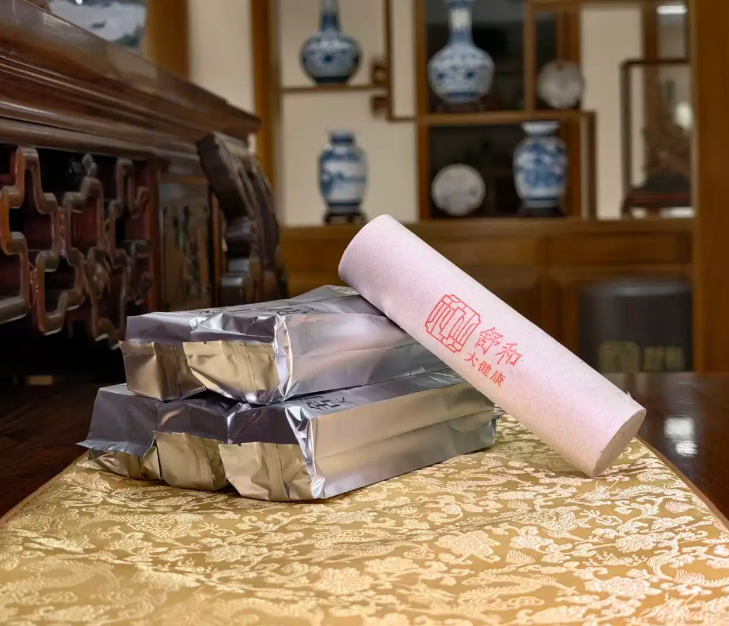
You can't talk about moxibustion without talking about its key ingredient: mugwort. But not just any mugwort. In traditional practice, the quality of the herb is everything. The mugwort used is typically aged, often for three to five years, in specific conditions. This aging process is crucial. Fresh mugwort can be overly harsh and its smoke, irritating. As it ages, the volatile oils within the plant mellow and transform. This results in a number of key benefits. First, the heat produced becomes softer, more radiant, and deeply penetrating, rather than a sharp, superficial burn. This allows the therapeutic warmth to reach deeper into the meridians. Second, the aroma changes, becoming more complex and earthy, which is itself considered part of the therapeutic experience. High-quality, aged mugwort from ecological highlands, like that emphasized by Shuhe Wellness, ensures that the therapy is as pure and effective as possible. The commitment to this level of quality shows a deep respect for the tradition and an understanding that the smallest details—like the age of the leaf—profoundly impact the healing outcome.
More Than Just Heat: The Art of Application
Using moxibustion effectively is an art and a science. It’s not simply about holding heat near the body randomly. Traditional practice has developed precise, research-based methods for its application. For instance, the distance at which the moxa stick is held from the skin is carefully controlled. Hold it too close, and the risk of burning or discomfort is high; hold it too far, and the therapeutic warmth never reaches the point. The goal is a pleasant, lingering warmth that the recipient can feel gently penetrating. Similarly, the duration of treatment and the selection of specific acupoints are key. Certain points, like Zu San Li (ST-36) on the leg, renowned for boosting overall vitality and immunity, or Shen Que (CV-8) on the navel, used to warm the body's core, are classic choices. This is not a one-size-fits-all approach. A skilled practitioner understands how to combine these elements—distance, duration, and point selection—to address an individual's unique pattern of imbalance. It’s this personalized care, this attention to the subtle feedback of the body, that elevates moxibustion from a simple home remedy to a profound therapeutic art.
Ancient Wisdom for Modern Wellness
In our fast-paced, technology-driven world, it might seem surprising that a therapy involving burning a herb is gaining renewed global attention. Yet, perhaps it’s precisely because of our modern lives that moxibustion's appeal is resurging. We are surrounded by cold environments—air-conditioned offices, refrigerated food, and the mental "cold" of stress and isolation. Many common modern ailments, from digestive issues and fatigue to menstrual pain and joint stiffness, are viewed in TCM as patterns of cold or stagnation. Moxibustion offers a natural, drug-free way to counteract these conditions. Its simplicity is its strength. It invites us to slow down, to connect with a simple, warming sensation, and to participate actively in our own care. Companies dedicated to sharing this heritage, like Shuhe Wellness with its global expansion strategy, are helping to make this ancient tool accessible. They are bridging the gap, showing that this piece of traditional Chinese medicine culture is not a relic of the past, but a living, breathing practice perfectly suited to bring warmth, balance, and healing to global communities today.