
 EN
EN


A Time Honored Plant with Deep Cultural Roots
Long before modern laboratories began analyzing its essential oils, mugwort was a trusted plant in the healing traditions of Asia, Europe, and North America. In Traditional Chinese Medicine, it is known as ai ye and has been recorded in the classic Shennong Bencao Jing, a pharmacopoeia compiled over two thousand years ago. Practitioners observed that burning dried mugwort over specific points on the body, a practice called moxibustion, could turn a breech baby, ease joint pain, and restore energy flow through the body's meridians. This was not magic. It was centuries of careful observation passed down through generations. The World Health Organization included moxibustion in its 1999 report on acupuncture and related techniques, recognizing its clinical value. Even outside China, in medieval Europe, mugwort was hung in homes and placed under pillows to ward off evil spirits and bring vivid dreams. Today, science is catching up with folk wisdom, confirming that the plant's complex chemistry is responsible for its wide ranging effects on human health.
The Active Compounds That Give Mugwort Its Power
Mugwort leaves are rich in volatile oils, and the specific blend of those oils determines the plant's therapeutic value. The most important constituents include cineole, also known as eucalyptol, which has documented antimicrobial and expectorant properties. Camphor and borneol contribute to the warming sensation that mugwort produces on the skin, while thujone, although controversial in high doses, appears to stimulate the nervous system at the low levels found in properly prepared herbal products. A study published in the Journal of Ethnopharmacology found that mugwort essential oil exhibited significant activity against several strains of bacteria and fungi, supporting its traditional use for wound cleaning and skin infections. Other research, including a review in Phytotherapy Research, has pointed to the anti inflammatory and antioxidant effects of mugwort flavonoids, which may help protect cells from oxidative stress. These active compounds work together in ways that a single isolated chemical cannot replicate. When the whole leaf is used, whether in a moxa stick or an herbal tea, the synergy of its natural chemistry delivers a balanced effect that has been refined by thousands of years of human use.
How Mugwort Supports Comfort and Circulation
One of the most immediate benefits people experience from mugwort is a sense of warmth and relief in areas of discomfort. This is most obvious in moxibustion, where a burning moxa roll is held near the skin over an acupuncture point. The infrared radiation emitted by the smoldering mugwort penetrates deeply, promoting local blood circulation and relaxing tight muscles. A physiotherapist who integrated moxibustion into her practice for patients with chronic knee pain shared that several clients who had not responded well to standard heat therapy found significant relief with indirect moxibustion over the ST36 point. The warming effect, combined with the absorption of volatile compounds through the skin, creates a dual action that simple heating pads cannot match. Beyond moxibustion, mugwort infused oils and compresses are used to ease menstrual cramps and abdominal discomfort. The traditional Chinese medicine principle is that mugwort warms the channels and disperses cold, a concept that aligns with the modern understanding that improved microcirculation helps clear inflammatory mediators and reduces pain signaling.
A Natural Aid for Rest and Digestive Ease
Mugwort's influence extends to the nervous and digestive systems, areas where many people struggle without wanting to rely on strong pharmaceuticals. A cup of mugwort tea before bed has a mildly sedative effect, helping to quiet a racing mind. Herbalists often recommend it for those who lie awake replaying the day's events. A yoga instructor who began drinking mugwort and chamomile tea in the evening noted that her sleep quality improved within a week, and she woke up feeling more rested. The bitter compounds in mugwort also stimulate digestive secretions, which can relieve bloating and indigestion after a heavy meal. In European folk medicine, mugwort was traditionally used to flavor fatty meats for this exact reason, it helped the stomach break down rich food. A clinical observation published in a German herbal medicine journal documented that patients with functional dyspepsia reported reduced fullness and discomfort after taking a standardized mugwort preparation. This dual benefit, calming the mind while aiding digestion, makes mugwort a valuable daily wellness tool for people dealing with the physical effects of stress.
Modern Wellness Uses Beyond Moxibustion
While moxibustion remains the most famous application, mugwort has found its way into many other wellness products that fit easily into a modern lifestyle. Dried mugwort is used in foot bath soaks to warm the body and promote relaxation, a practice popular in East Asia that is spreading globally through wellness and spa industries. Mugwort essential oil is diffused in homes to freshen the air and deter insects, a use that echoes its ancient role as a protective herb. Some skincare brands now include mugwort extract in creams and serums for its soothing and antioxidant properties. A small survey conducted by a Korean cosmetics company found that users of a mugwort based calming serum reported reduced redness and irritation after two weeks of use. The diversity of these products reflects a growing understanding that mugwort is not just a ritual herb but a versatile botanical with measurable effects. This shift from folk tradition to validated ingredient opens doors for companies that can supply high quality, standardized mugwort to manufacturers around the world.
Sourcing Quality Mugwort for Reliable Health Benefits
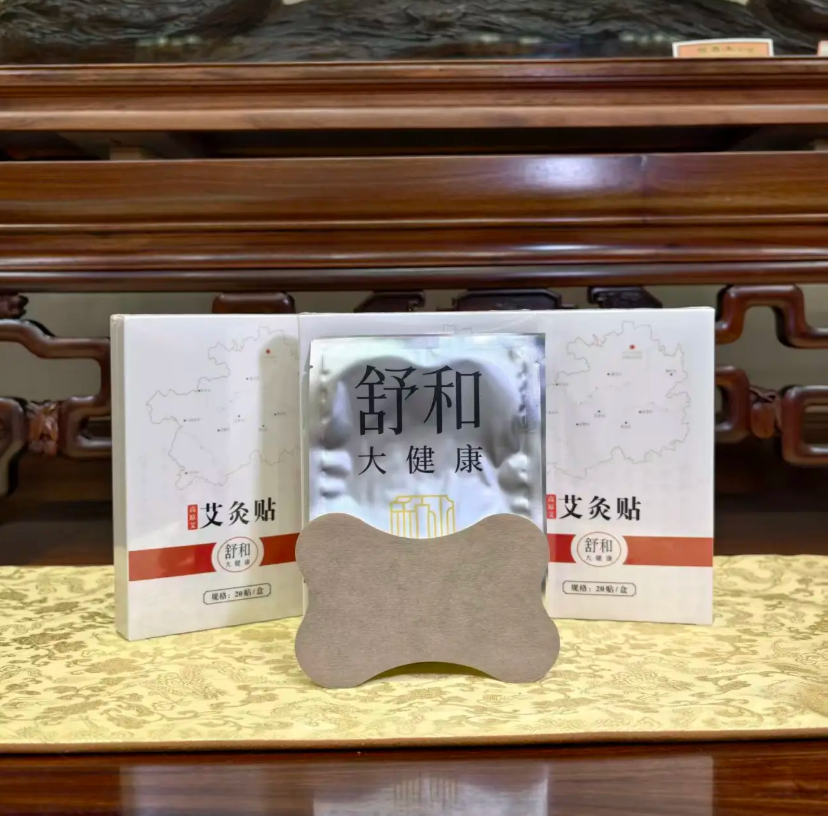
The effectiveness of any mugwort product depends entirely on the quality of the raw material. Mugwort harvested at the wrong time, dried improperly, or stored in humid conditions loses its volatile oils and develops a musty, ineffective character. Shuhe has focused on building a supply chain that controls mugwort quality from the field to the finished product. The company sources its mugwort from regions known for optimal growing conditions, harvests the leaves when the essential oil content peaks, and processes them in clean, temperature controlled facilities. Every batch is tested for purity, oil content, and microbial safety before it is released. This level of control ensures that whether a client is purchasing dried mugwort for tea, moxa wool for acupuncture clinics, or raw material for cosmetic extraction, the product is consistent and potent. Shuhe's logistics capability allows it to deliver these materials on predictable schedules to distributors and brands across multiple continents, supporting the global demand for authentic, effective mugwort based wellness products.