
 EN
EN



Why Volatile Oils Are the Hidden Engine Behind Mugworts Reputation
A lot of people talk about mugwort without really knowing what makes it work. They mention tradition, they mention ancient texts, and that is fine. But the real story often sits in something far less poetic. The volatile oils. These are the aromatic compounds that give mugwort its distinctive scent, and they are also the reason the plant has earned a place in therapeutic traditions across Asia and Europe. Volatile oils are not a single substance. They are a complex mixture of terpenes, alcohols, ketones, and other small molecules that evaporate at relatively low temperatures. That volatility is exactly why they can interact with the body in ways that heavier compounds cannot. A mentor of mine who spent decades studying aromatic plants used to say that volatile oils are like messengers. They travel quickly, they deliver signals, and then they fade. That metaphor has stayed with me because it captures both their power and their limitations.
The Chemistry That Gives Mugwort Its Therapeutic Punch
Let us dig into what is actually inside these oils. Mugwort volatile oil is rich in compounds like cineole, thujone, camphor, and various sesquiterpenes. Each of these brings something different to the table. Cineole is well known for its ability to open airways and support respiratory comfort. Camphor has a cooling effect and is often used in topical products for muscle and joint discomfort. Thujone is more controversial. It has stimulant properties but can be toxic in high doses, which is why responsible formulators pay close attention to concentration. This is not a plant where you can just wing it. The presence of thujone means that quality control is not optional. It is a safety requirement. I have seen cheap mugwort products that clearly did not test for thujone levels, and that is a risk no serious brand should take. Understanding the chemistry is what separates a thoughtful product from a gamble.
How Volatile Oils Interact With the Body
So how do these oils actually do their work? There are a few pathways. When inhaled, volatile compounds can interact with the olfactory system and then with the limbic brain, which helps explain why mugwort has been used in aromatherapy for relaxation and mental clarity. When applied to the skin, they can penetrate the upper layers and interact with local receptors, producing warming or cooling sensations and supporting circulation. When taken internally in controlled amounts, they can affect smooth muscle and digestive function. One researcher I spoke with pointed out that volatile oils are especially interesting because they act fast. You do not need to wait days for an effect. That speed is both an advantage and a caution. It means the body responds quickly, but it also means overdosing can cause rapid unwanted effects. The dose really does make the poison, and that principle applies here more than in many other botanical ingredients.
Traditional Uses That Modern Research Has Started to Validate
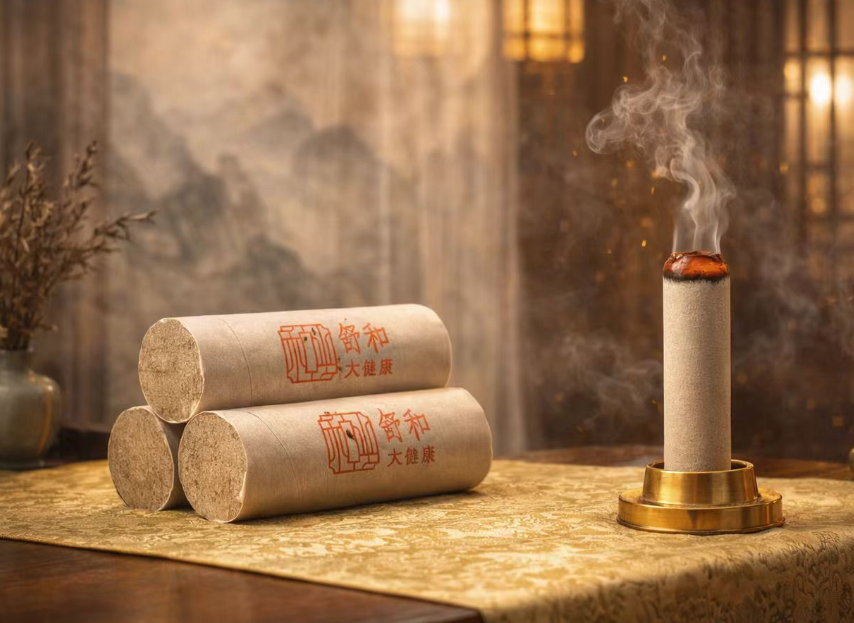
Mugwort volatile oils have been used in moxibustion for centuries. The heat from burning mugwort is believed to carry the volatile compounds into the skin and deeper tissues. Modern studies have started to explore what actually happens during this process. Some research suggests that the combination of heat and volatile compounds may influence local blood flow and inflammatory markers. Other studies have looked at mugwort oil in topical applications for minor skin irritation and found promising results. A pharmacologist I respect once noted that moxibustion is one of those practices where the traditional explanation and the modern explanation do not fully match, but both point to something real. That honesty is important. It is fine to say that the mechanism is not fully understood. What matters is that the effects are observable and the safety profile is manageable when the product is made correctly.
The Challenge of Keeping Volatile Oils Stable in Finished Products
Here is where things get tricky for manufacturers. Volatile oils are volatile by definition. They evaporate. They oxidize. They degrade when exposed to heat, light, and oxygen. That means a mugwort product that sits on a shelf for a year may not have the same therapeutic profile as one that was made last week. This is a real problem that many brands underestimate. I have seen products where the label promised mugwort oil benefits, but testing showed almost none of the key compounds remained. The fix is not complicated, but it requires discipline. Proper encapsulation, nitrogen flushing, opaque packaging, and controlled storage temperatures all help. So does sourcing oil that has been extracted gently rather than blasted with high heat. A supplier who understands these factors will deliver material that holds up over time. One who does not will deliver something that looks fine at first and fails later.
What This Means for Brands Looking to Formulate With Mugwort
For businesses, the message is straightforward. Mugwort volatile oils offer real therapeutic potential, but they demand respect. You cannot treat them like a cheap filler ingredient. You need to know the chemotype of the oil you are buying, because the same plant grown in different regions can produce very different oil profiles. You need to test for thujone and other potentially toxic compounds. You need packaging that protects the oil from degradation. And you need a manufacturing partner who understands all of this without being told. Shanxi Shuhe Health Co., Ltd. has built its reputation on exactly this kind of technical depth. With a focus on natural ingredients and rigorous quality control, the team there treats volatile oil preservation as a core competency rather than an afterthought. From sourcing to final packaging, every decision is made with an eye on stability and safety. For brands that want to offer products that actually work, that level of care is not a nice to have. It is the foundation of trust.
Table of Contents
- Why Volatile Oils Are the Hidden Engine Behind Mugworts Reputation
- The Chemistry That Gives Mugwort Its Therapeutic Punch
- How Volatile Oils Interact With the Body
- Traditional Uses That Modern Research Has Started to Validate
- The Challenge of Keeping Volatile Oils Stable in Finished Products
- What This Means for Brands Looking to Formulate With Mugwort