
 EN
EN



News
Moxibustion: The Ancient Chinese Warming Tradition Returning to Global Attention
Time : 2025-11-20
BEIJING — Long before modern wellness tools, digital health apps, or the idea of "self-care" went mainstream, ancient China had already developed a warming therapy that is now attracting renewed interest across the world: moxibustion, a method that dates back thousands of years.
Today, as people search for natural and culturally rooted wellness practices, this ancient technique is quietly stepping back into the spotlight—slowly, steadily, and with a warmth that feels surprisingly timeless.
An Origin Traced Back to Early Chinese Civilizations
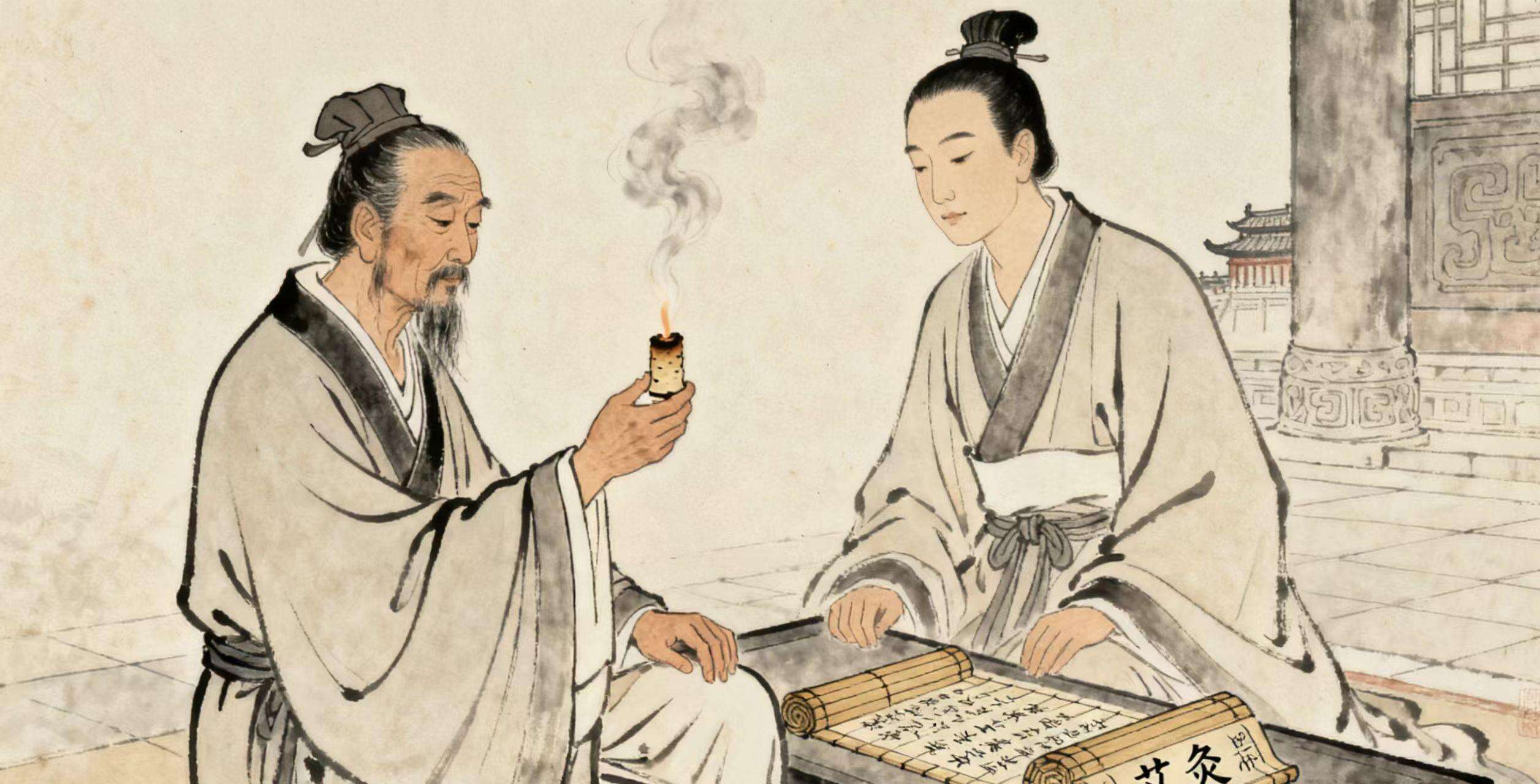
Historical records show that moxibustion emerged during the early stages of Chinese civilization, when communities living in cold regions discovered that burning certain herbs near the skin produced deep comfort and relief.
The herb they relied on was mugwort, a plant that became so important it was documented in some of the earliest medical texts in China.
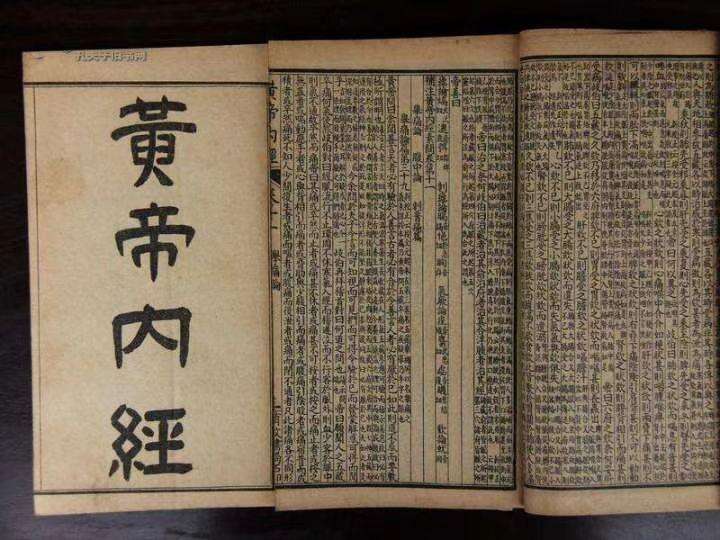
One classical medical saying goes:
"Where acupuncture cannot reach, moxibustion can."
A clever line, even by today’s standards, and not a bad slogan either.
Refined Through Dynasties
As Chinese dynasties rose and fell, moxibustion evolved alongside them:
• Han Dynasty
Moxa was widely used and recorded in medical classics, shaping the foundation of what we know today.
• Tang & Song Dynasties
Techniques were refined, physicians wrote detailed instructions, and the method spread across East Asia.
• Ming Dynasty
Moxa craftsmanship reached new sophistication—aging mugwort, improving quality, and formalizing techniques.
Over thousands of years, the method remained remarkably consistent:
warmth, patience, and a belief that gentle heat could help the body maintain balance.
A Tradition That Crossed Borders
By the late medieval period, moxibustion had already reached Japan, Korea, and parts of Southeast Asia. European explorers and missionaries in the 17th century wrote about "fire needles" and "warming herbs," attempting to describe a practice they found unusual yet fascinating.
One early European traveler even noted,
"It seems simple, but the locals trust it very much."
A fair observation that still holds true.
Why Modern People Are Looking Back to Ancient Warmth
Despite its long history, moxibustion is not returning as a trend built on nostalgia.
Instead, people around the world are seeking:
• natural self-care methods
• simple, non-invasive routines
• a quiet ritual to slow down daily stress
And moxibustion fits that description almost too perfectly.
It doesn’t promise miracles.
It doesn’t claim to replace modern medicine.
It simply offers warmth—steady, grounding, and very human.
As one Western user humorously commented,
"It’s probably the oldest wellness hack I’ve ever tried—and honestly, not bad at all."
A surprisingly honest review.
A Bridge Between Past and Present
Moxibustion’s revival is not just about health.
It is also about cultural curiosity.
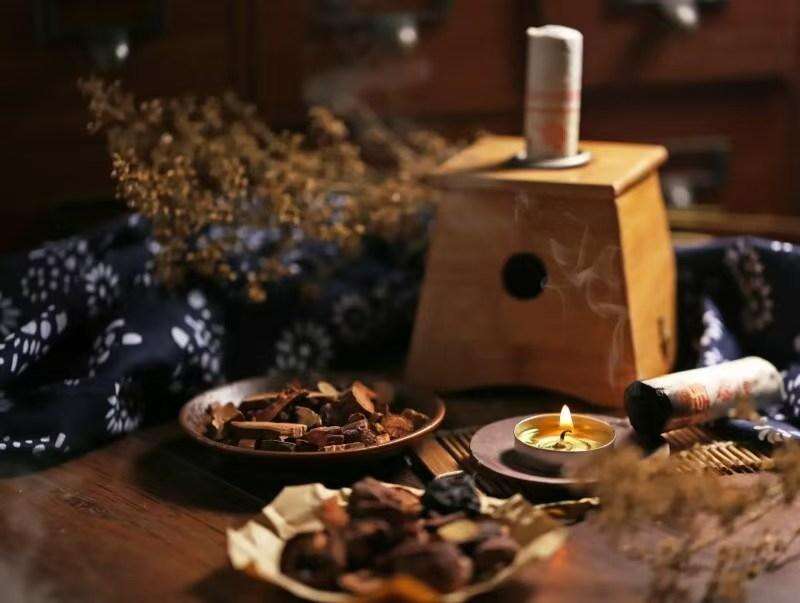
Through this simple warm herb, many people are discovering:
• traditional Chinese philosophies
• ancient craftsmanship
• an emphasis on balance and nature
• a slower, more attentive approach to well - being
In a way, moxibustion is doing what good traditions often do:
showing that old ideas can still make sense in a modern world—without needing to reinvent themselves.
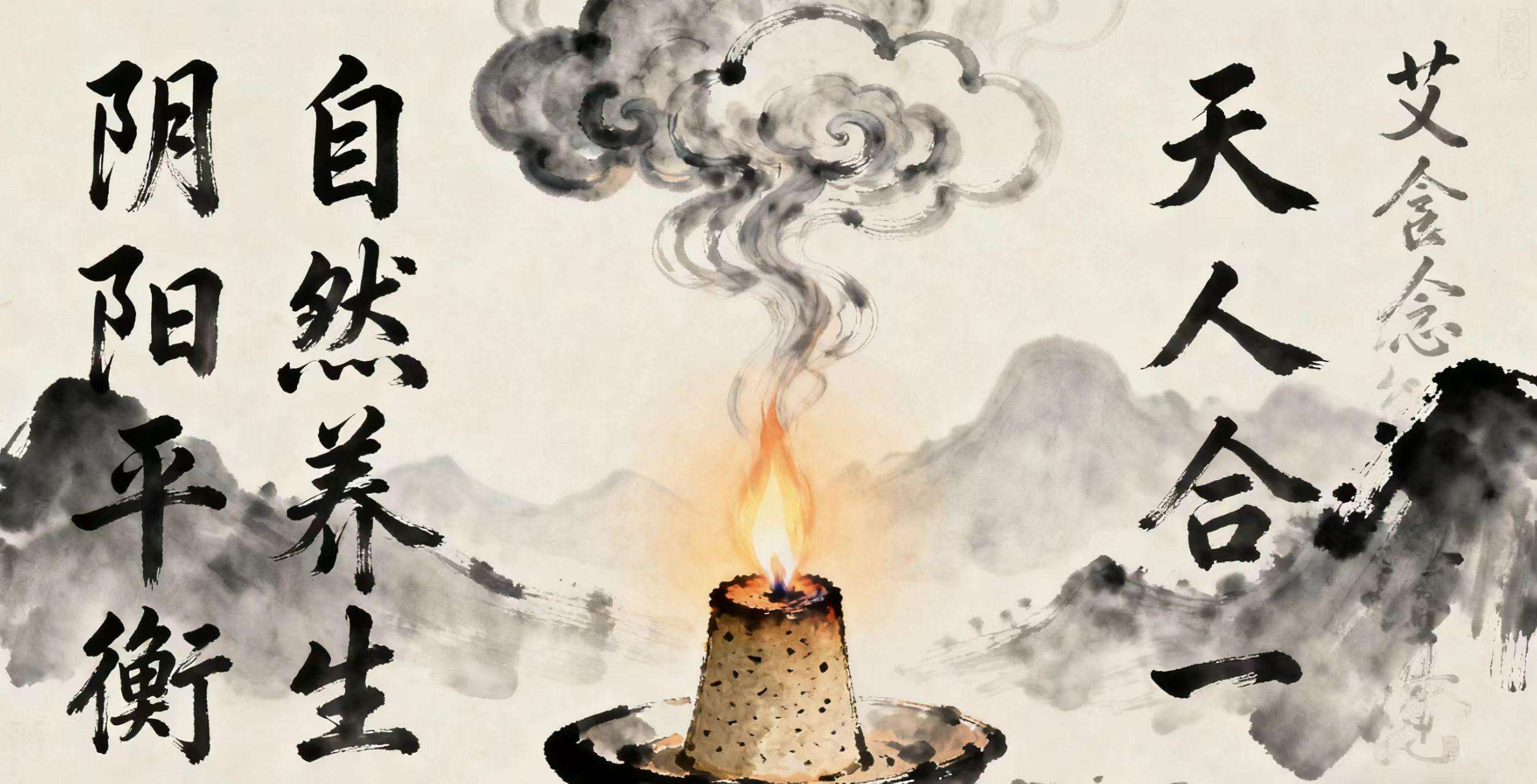
It serves as a tangible link, letting modern souls touch the wisdom of ancestors, where warmth meets heritage to nurture both body and cultural understanding.It fosters cross-cultural resonance, making age-old wellness wisdom accessible and cherished across borders.
Conclusion: A Warm Legacy Moving Forward
Thousands of years after its emergence, moxibustion remains one of China’s most enduring cultural practices.
Not because it is dramatic, but because it is stable—consistent warmth delivered through a simple ritual.
And as global interest continues to grow, this ancient practice may find new life far beyond its birthplace, warming homes, studios, and wellness spaces around the world—one gentle session at a time.
As moxibustion gains global traction, it is also evolving to fit modern lifestyles. Today’s practitioners blend traditional techniques with contemporary wellness needs—offering portable moxibustion kits for busy urbanites, online tutorials for curious beginners, and specialized sessions tailored to modern ailments like digital eye strain and work-related stress. This adaptability, without losing the core essence of warmth and balance, is key to its enduring appeal.
Beyond individual wellness, moxibustion is becoming a cultural bridge. International wellness expos now feature moxibustion demonstrations, and TCM institutions worldwide are integrating it into their curricula, fostering cross-cultural understanding through a shared pursuit of health. For many, trying moxibustion is the first step toward exploring broader traditional Chinese philosophies of harmony between humans and nature.
Looking ahead, this ancient warming tradition is poised to thrive not as a relic of the past, but as a timeless complement to modern health practices. Its return reminds us that some of the most profound wellness solutions have been around for centuries—rooted in simplicity, respect for nature, and the universal comfort of warmth. As it continues to traverse borders, moxibustion carries with it a message of balance, offering a quiet counterpoint to the chaos of modern life, and warming its way into more hearts and homes globally.