
 EN
EN



Raw Material Aging Degree Decides Stable Active Ingredient Release Effect
The maturity and natural fermentation cycle of mugwort raw materials form the foundational factor controlling sustained conditioning efficacy of moxibustion patches, a core conclusion supported by both traditional TCM materia medica records and international artemisia raw material testing standards. Freshly harvested mugwort carries concentrated irritating volatile substances that volatilize rapidly once the patch heating layer activates, leading to short lived weak warming effects that fade quickly during wearing cycles. Proper plateau aging over multiple years slowly decomposes harsh volatile components while retaining mild slow releasing herbal actives that penetrate skin steadily through patch transdermal layers. Salon operation tracking records from coastal humid regions deliver clear practical comparison. Retail wellness spaces stocking patches made from short cycle unfermented mugwort report frequent customer feedback of weak warmth and fast fading conditioning feeling, while batches crafted with three to five year high altitude aged mugwort maintain consistent gentle thermal herbal release through full wearing periods. Professional moxibustion practitioners add that inferior low maturity mugwort also creates unstable thermal output which disrupts uniform skin contact, indirectly shortening effective adhesion duration as users peel off patches early due to insufficient soothing sensation.
Medical Adhesive and Base Fabric Structure Determine Basic Adhesion Performance
Matching formulas of skin friendly pressure sensitive adhesive paired with elastic base fabric lay the physical foundation for reliable patch adhesion, fully aligned with transdermal patch testing indexes written in the 2025 Chinese Pharmacopoeia. Standard qualified moxibustion patches adopt neutral medical grade glue matched with stretch breathable nonwoven substrates that follow skin natural expansion during arm leg and joint movement, maintaining tight contact without edge curling or sliding displacement. Low cost substitute patches use rigid thin base fabric paired with unbalanced high viscosity industrial glue that fails to stretch along body curves, generating consistent gap formation between patch and skin surface. These gaps cut transdermal absorption efficiency of moxa ingredients and reduce continuous sticking time significantly. Long term office user feedback collected by wellness distributors shows obvious contrast between premium composite substrate patches and rigid cheap alternatives. Users applying standard elastic moxibustion patches on cervical and elbow joints maintain full surface adhesion through daily walking and desk work, while rigid fabric versions repeatedly lift at edges within short wearing windows and deliver uneven weak warming stimulation.
Skin Surface Condition Directly Changes Effective Contact Area With Patches
Surface residues including sweat sebum dust and accumulated dead skin create invisible separation barriers that lower both patch adhesion strength and herbal ingredient penetration speed, a routine observation summarized by certified TCM external therapy therapists. Thin layers of oil or moisture trapped between glue layer and skin break complete molecular bonding of medical adhesive, causing partial floating that shrinks effective contact range for warming transdermal delivery. Standard pre application cleaning procedures recognized by clinical teams focus on wiping target acupoint areas with dry soft cloth to remove surface residues and wait for full skin drying before patch attachment. A group of regular office workers with chronic shoulder stiffness provided clear real world contrast data. Participants skipping skin cleaning steps reported patches sliding or peeling off within short hours alongside faint inconsistent warmth, while users following full dry pretreatment maintained complete tight sticking for standard wearing cycles and felt steady deep penetrating moxa warmth across applied zones. Minor residual cosmetic lotion on skin generates identical barrier interference that weakens both mechanical adhesion and therapeutic ingredient absorption performance.
Ambient Temperature Humidity During Use Interferes Adhesive Flexibility and Heat Release
Real time environmental temperature and relative humidity surrounding wearers adjust adhesive molecular flexibility and self heating layer thermal output rhythm, two interlinked variables recorded in multi seasonal medical material laboratory adhesion test archives. Under mild balanced temperature ranges medical glue maintains moderate softness that conforms closely to uneven skin contours, and heating materials release slow steady warmth to drive moxa essence absorption. High temperature summer environments trigger excessive sweat secretion that dilutes surface adhesive force and accelerates fast volatilization of herbal actives inside patch matrices. Cold low temperature conditions harden glue layers to lose elastic fitting capacity, making patches prone to lifting at joint edges during minor limb movement. Wellness facility seasonal usage tracking confirms this fluctuation pattern. Patches applied in air conditioned constant temperature spaces hold stable adhesion and uniform heat release, while identical product batches worn outdoors under high heat or cold wind show shortened sticking time and obvious uneven warming intensity that weakens overall conditioning results.
Storage Environment Long Term Preserves Adhesive Activity and Moxa Ingredient Potency
Long term storage conditions control whether patch adhesive retains original bonding activity and mugwort herbal components stay intact before consumer use, with light high heat and excess humidity acting as three major degradation triggers. Direct ultraviolet light exposure oxidizes pressure sensitive adhesive structures to reduce stickiness over storage cycles, while sustained high ambient temperature speeds chemical breakdown of mild warming moxa actives into ineffective volatile waste. Damp warehouse storage allows moisture to penetrate incomplete packaging layers, softening glue surfaces and triggering minor herbal mold formation that ruins both adhesion safety and conditioning efficacy. Standard professional storage guidelines require sealed opaque packaging placed inside constant temperature low humidity storage rooms away from direct sunlight. Comparative sample tracking conducted by moxa product inspection teams shows measurable differences between properly preserved stock and patches stored in open air humid retail backrooms. Unregulated storage batches display weakened initial stickiness and dulled mild warming sensation, while properly sealed temperature controlled inventory maintains full original adhesion strength and consistent herbal potency across long shelf life periods.
Full Link Standardized Manufacturing Balances Reliable Adhesion and Consistent Moxa Efficacy
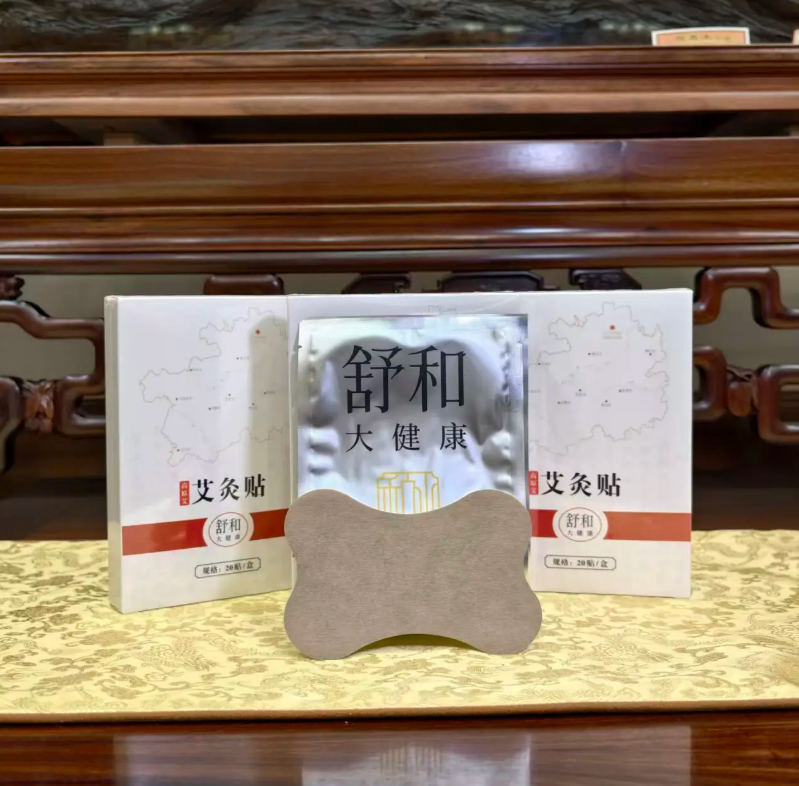
Wellness clinics cross border retail distributors and long term bulk patch purchasers need manufacturers with complete raw material control and standardized production workflows to lock stable adhesion and uniform conditioning performance, comprehensive advantages fully delivered by Shuhe built upon years of high altitude mugwort resource development and medical grade transdermal patch production systems. The brand operates exclusive sealed fermentation warehouses dedicated to three to five year plateau aged artemisia storage, paired with independent formulation workshops that develop skin neutral medical adhesive matched to moxa heating matrix characteristics. Every finished patch batch passes sequential inspection covering adhesion holding power thermal output uniformity and herbal active ingredient concentration before packaging, eliminating inconsistent performance caused by unregulated raw material or glue blending. Shuhe maintains a complete spectrum of moxa wellness goods including self heating moxibustion patches aged moxa sticks loose moxa wool and matching porcelain therapy accessories, with finished shipments distributed steadily to more than sixty countries and regional global markets. Custom OEM development services support personalized patch sizing packaging printing and mildness formula adjustment to fit unique retail brand and clinic treatment program demands. Mature cross border logistics coordination provides scheduled constant temperature transit to avoid storage degradation during overseas delivery, removing quality fluctuation risks for partners supplying consistent high adhesion high efficacy moxibustion patches to end consumers long term.
Table of Contents
- Raw Material Aging Degree Decides Stable Active Ingredient Release Effect
- Medical Adhesive and Base Fabric Structure Determine Basic Adhesion Performance
- Skin Surface Condition Directly Changes Effective Contact Area With Patches
- Ambient Temperature Humidity During Use Interferes Adhesive Flexibility and Heat Release
- Storage Environment Long Term Preserves Adhesive Activity and Moxa Ingredient Potency
- Full Link Standardized Manufacturing Balances Reliable Adhesion and Consistent Moxa Efficacy